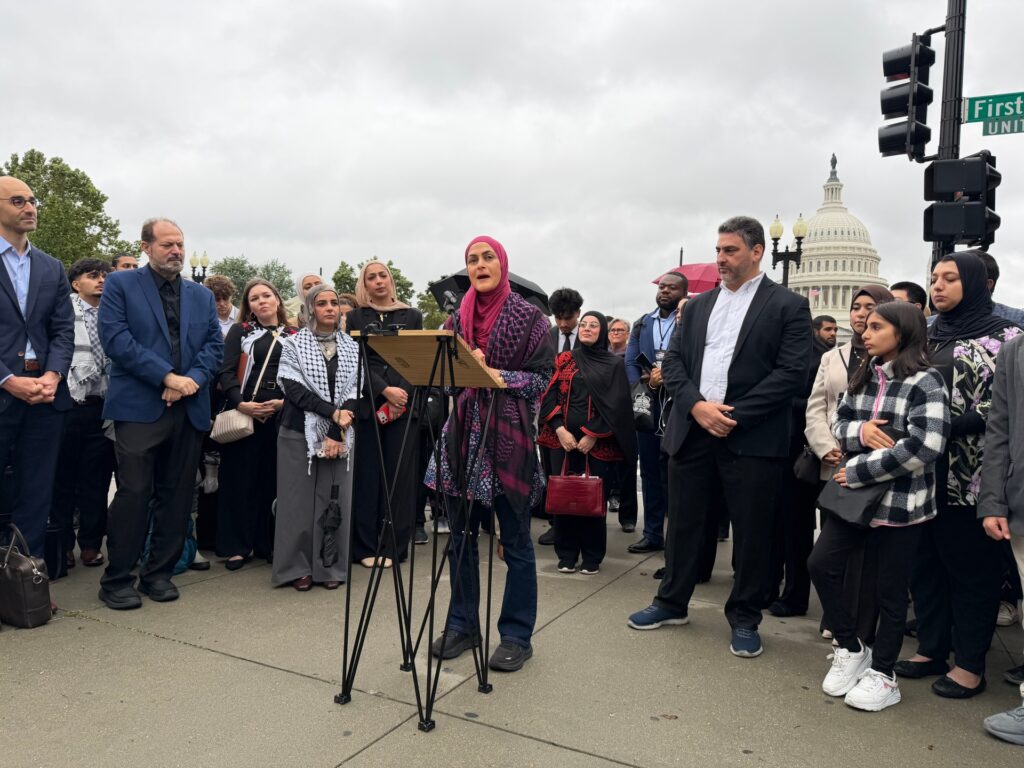
In a significant political engagement, over 300 Palestinian American constituents convened to meet with members of the US House and Senate from 26 different states. Their objective was clear: to urge a change in US policy concerning the Israeli-Palestinian conflict. This gathering comes at a critical time as the Trump administration seeks to allocate $2.8 billion in aid to Israel, a move that has intensified debates over American foreign policy in the Middle East.
The event was organized by Palestinian American activists and community leaders aiming to amplify the voices of their communities within the United States. Their message to lawmakers emphasized the need for a more balanced approach to US foreign aid and a reconsideration of the longstanding unilateral support for Israel.
Participants argued that current US policy often overlooks the rights and plight of Palestinians, and they called for increased diplomatic efforts to achieve a fair and lasting peace. They highlighted the critical humanitarian issues affecting Palestinian territories, including restrictions on movement, access to resources, and economic hardships.
Lawmakers from the 26 states who met with the delegates expressed varying degrees of support and interest in the concerns raised. Some members acknowledged the significance of the community’s engagement and pledged to review their positions on aid allocations and Middle East policy.
The timing of these meetings is particularly notable since the Trump administration’s proposed $2.8 billion aid package to Israel includes funds earmarked for missile defense and other military support. Critics argue that this large aid package fails to encourage progress toward peace and instead fuels further conflict.
The Palestinian American community and their supporters maintain that a reevaluation of US foreign policy could lead to more equitable aid distribution and greater pressure on all parties to negotiate in good faith. They advocate for US involvement that supports human rights, equality, and the prospect of two states living side by side in peace.
This mobilization reflects a broader trend of increased political activism within diaspora populations in the US, particularly those concerned with international conflicts. The engagement of over 300 constituents in direct dialogue with lawmakers marks a significant effort to influence US policy from within the democratic process.
The discussions also underline the complexities faced by US policymakers balancing strategic alliances, domestic political considerations, and global advocacy for human rights.
As the US Congress debates the aid package, the voices of Palestinian Americans serve as a reminder of the diverse perspectives that shape American foreign policy. Their calls for a policy shift highlight the ongoing challenges in achieving peace and justice in the Middle East.