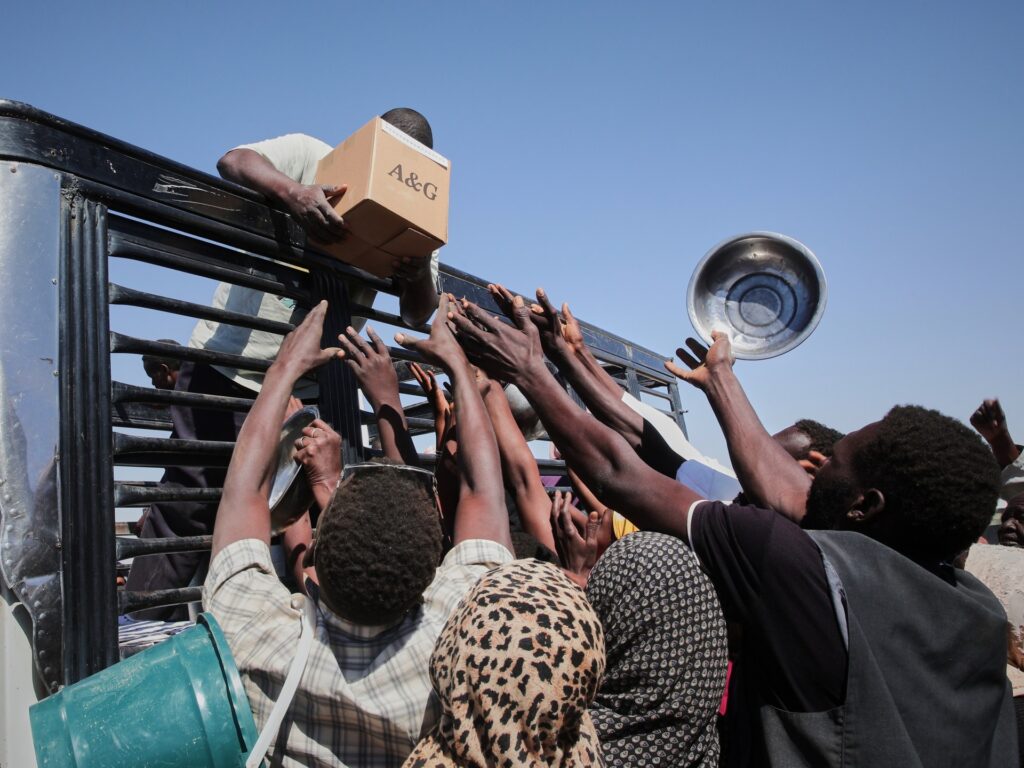
Sudan is once again facing a severe hunger crisis, reminiscent of the devastating famines that have marked its troubled history. The ongoing conflicts and war have not only displaced millions of people but also disrupted agricultural production and food supply chains, leading to widespread food shortages and malnutrition.
The country’s recent upheaval has triggered fears of famine similar to the catastrophic events of the past decades. Historically, Sudan has experienced severe famines, often linked to political instability, armed conflicts, and environmental factors such as drought. These famines have resulted in massive human suffering, with countless lives lost and communities ravaged.
Currently, ongoing fighting between rival factions in Sudan continues to fuel displacement, making it difficult for affected populations to access adequate food. Displacement camps are struggling to provide sufficient nutrition, while many families remain cut off from vital aid due to insecurity and logistical challenges.
Agricultural production has been hit hard as farmers abandon fields amid violence and insecurity. The disruption of planting and harvesting cycles threatens to exacerbate food shortages in the months ahead. Additionally, access to markets has been limited, driving up food prices and making it harder for vulnerable populations to afford basic sustenance.
International humanitarian organizations warn that without immediate intervention, the hunger crisis could deepen, resulting in a renewed famine emergency. Aid agencies are calling for increased funding and safe corridors to deliver food and medical assistance to those in dire need.
The echoes of Sudan’s previous famines serve as a stark reminder of the consequences of protracted conflict and instability on food security. Efforts to resolve the conflict and restore peace are critical to preventing further deterioration of the humanitarian situation.
Experts emphasize that addressing the root causes—armed conflict, displacement, and economic collapse—is essential for sustainable food security solutions. Long-term strategies must include support for agricultural recovery, infrastructure rebuilding, and community resilience.
Sudan’s hunger crisis is a complex interplay of historical vulnerabilities and current conflict dynamics. The international community faces urgent challenges in responding to this crisis to avert a tragedy that could further destabilize the region.
In summary, Sudan’s latest food crisis is a tragic repeat of its historical famines, driven by war-induced displacement, food shortages, and disrupted livelihoods. Immediate humanitarian action combined with long-term peacebuilding efforts is essential to break the cycle of hunger and suffering that has haunted the country for decades.