In a significant legal development, a court in Sri Lanka has convicted 15 individuals in connection with the deadly Easter Sunday bombings that shook the nation in April 2019. These coordinated attacks targeted three prominent tourist hotels and three churches, resulting in the tragic loss of 279 lives.
The bombings marked one of the darkest days in Sri Lanka’s recent history, as suicide bombers struck strategically during Easter Sunday services and busy hotel lobbies, aiming to inflict maximum casualties. Among the sites targeted were popular tourist destinations that drew visitors from around the world, further escalating the international impact and concern over the attacks.
Following a lengthy investigation and trial, the Sri Lankan judiciary found 15 suspects guilty for their roles in orchestrating and executing the bombings. The convictions bring a measure of closure to the victims’ families and the broader community still grappling with the trauma.
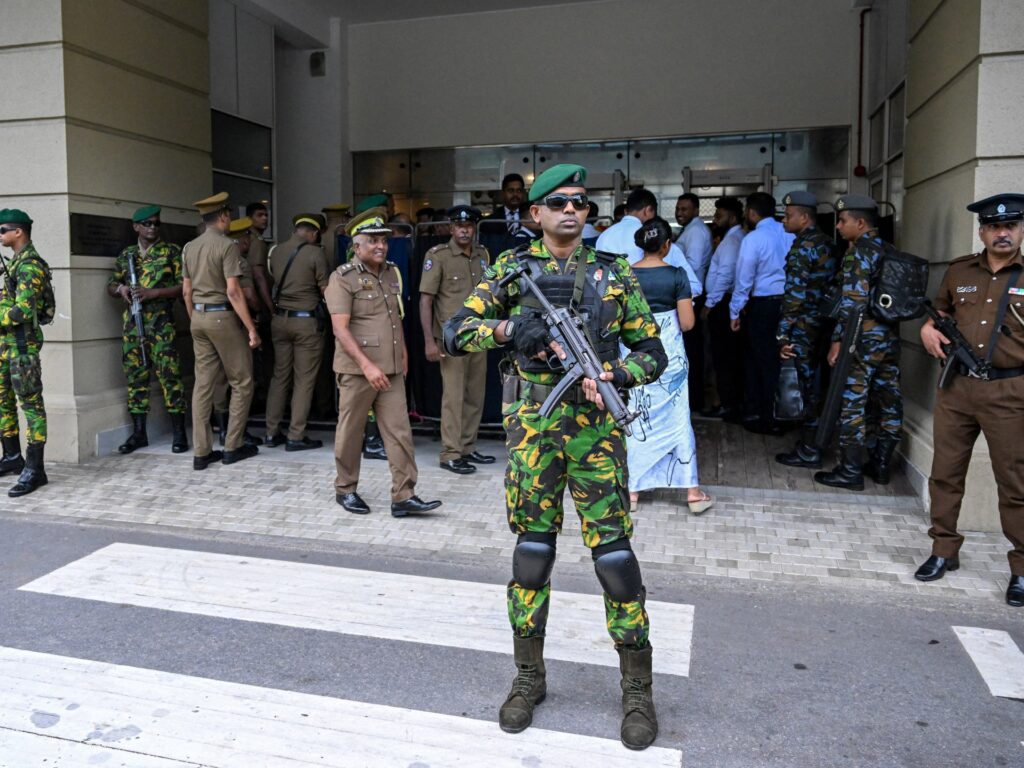
Authorities had launched extensive investigations immediately after the attacks, working with international agencies to track down the perpetrators. The trials have been closely monitored by human rights organizations and international observers to ensure a fair legal process amidst heightened tensions and security concerns across the country.
The convicted individuals were accused of forming part of a terrorist network responsible for planning, financing, and carrying out the bombings. Evidence presented during the trial detailed how the group used sophisticated methods to organize simultaneous suicide bombings that targeted religious venues and popular tourist spots.
The government has reiterated its commitment to combatting terrorism and preventing such atrocities in the future, emphasizing the importance of community vigilance and enhanced intelligence operations. Several security reforms have been introduced since the attacks, aimed at protecting vulnerable sites and improving emergency response.
This landmark verdict also serves as a stern warning to militant groups that attempts to destabilize Sri Lanka and harm innocent civilians will face stringent legal consequences. The nation remains determined to uphold justice and promote peace and reconciliation among all its communities.
As Sri Lanka continues to heal, the memory of those lost in the Easter Sunday bombings remains a poignant reminder of the devastating effects of extremism. The convictions provide hope that justice can prevail even in the face of such profound tragedy.
The international community has expressed support for Sri Lanka’s judicial process and solidarity with the victims. Continued cooperation in counterterrorism efforts is seen as vital to ensuring regional stability and security.
This case underscores the ongoing challenges countries face in balancing security concerns with human rights, as well as the critical role of effective legal systems in addressing acts of terror. Sri Lanka’s recent verdict marks a pivotal moment in the country’s journey towards resilience and peace.