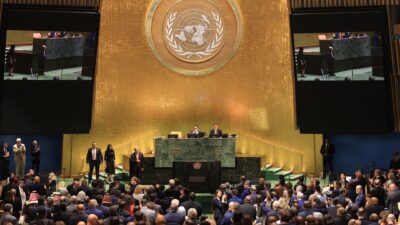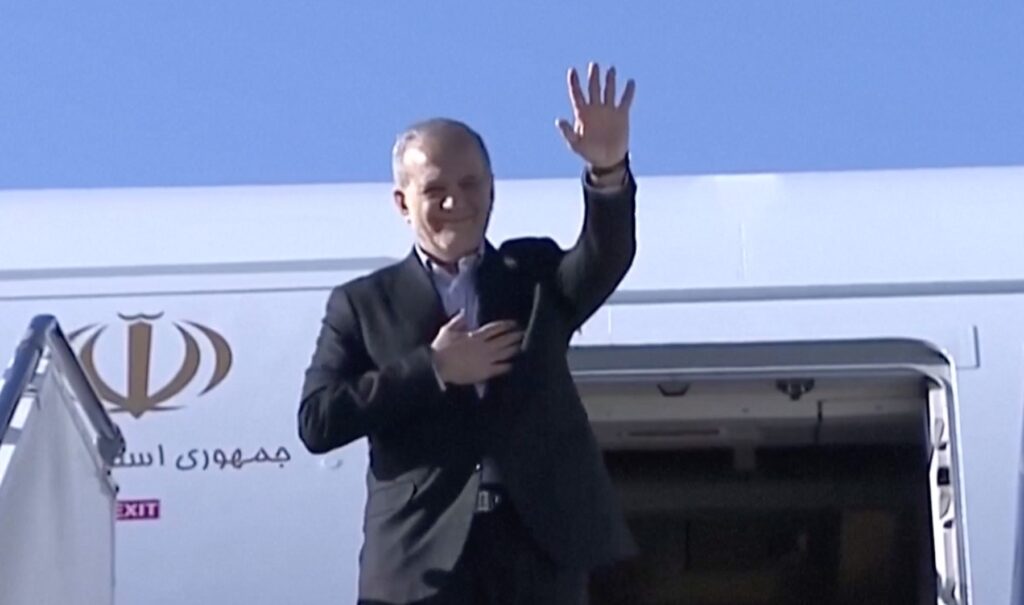
In a significant development on the international stage, the President of Iran is set to attend the United Nations General Assembly (UNGA) with a firm commitment to highlight what he describes as US oppression. This visit underscores Iran’s continued assertive diplomacy amidst global geopolitical tensions.
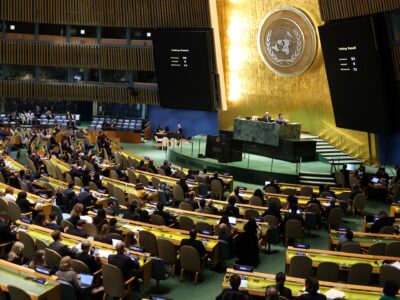
The Iranian President’s decision to participate in the UNGA meeting reflects Tehran’s strategic intent to utilize the global platform to voice its grievances and concerns, particularly targeting the United States. This annual gathering of world leaders is a crucial forum for Iran to present its narrative to the international community.
During his address, the President is expected to focus on several key points. One major highlight will be the economic sanctions imposed by the US, which Tehran claims have severely impacted its economy and the wellbeing of its people. These sanctions, meant to curb Iran’s nuclear program, have been a source of contention and are labeled by the Iranian leadership as unjust measures of economic warfare.
Additionally, the President aims to shed light on what he terms as systematic oppression by the US, touching on issues such as military presence in the Middle East, alleged interference in regional affairs, and support for adversaries of Iran. This rhetoric is part of a broader effort by Iran to challenge what it perceives as American hegemony and unilateral policies.
The timing of the visit is noteworthy, coming at a period when diplomatic efforts surrounding Iran’s nuclear program are in flux. The President’s statements at the UNGA could influence international opinion and potentially sway negotiations by reinforcing Iran’s stance.
Moreover, the visit might also serve a domestic purpose by bolstering national pride and consolidating the administration’s standing amid economic challenges and political pressures within Iran.
International reactions to the President’s planned address are anticipated with interest. Western nations, particularly the US, may respond critically to Iran’s accusations. However, the UNGA platform typically allows countries to express diverse views, making it a focal point for diplomatic engagement.
Iran’s participation and messaging at the UNGA are part of a broader strategy to assert its role on the world stage, counterbalance Western influence, and rally support from allied nations.
This move comes amid ongoing tensions in the Middle East and reflects the complex interplay of diplomacy, international law, and global power politics.
As the UNGA unfolds, all eyes will be on Iran’s President as he delivers his message, shaping discourse not only about US-Iran relations but also about the broader challenges facing the international order in the 21st century.
This visit exemplifies how international forums like the UNGA remain vital arenas for countries to express their interests, grievances, and visions for the future, amid a rapidly changing geopolitical landscape.
In conclusion, the Iranian President’s attendance at the UN General Assembly marks a pivotal moment for Tehran’s foreign policy, bringing issues of sanctions, sovereignty, and international justice to the fore, as global leaders convene to address pressing world matters.