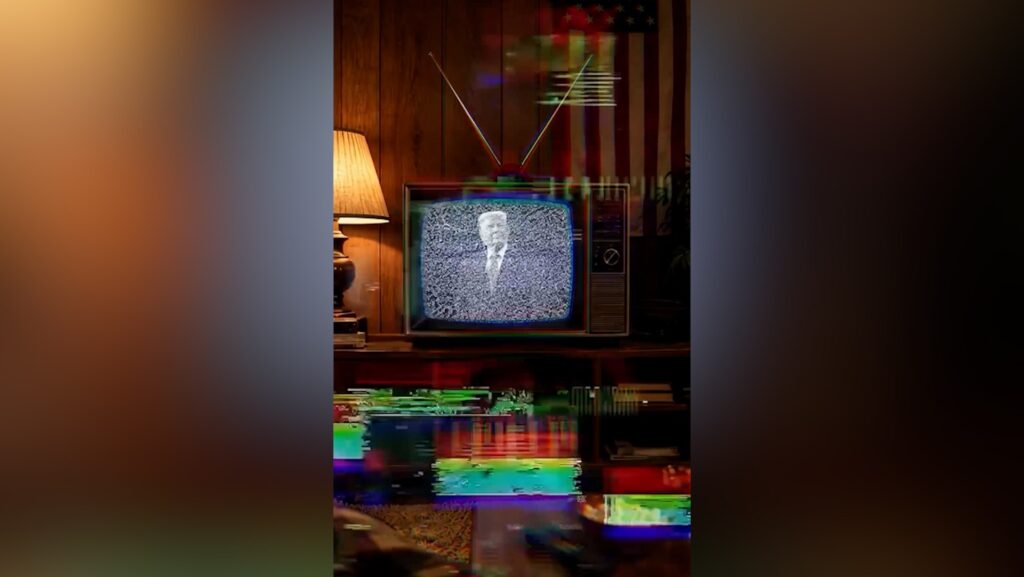
In a controversial move just days after barring several news organizations from attending White House press briefings, the Trump administration has introduced a new media initiative called ‘Trump TV.’ This platform represents a significant shift in the administration’s approach to media relations and public communication.
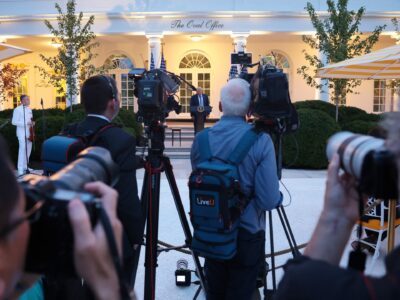
The launch of ‘Trump TV’ comes amid escalating tensions between the Trump White House and various news outlets it has frequently criticized. Several prominent news organizations were recently banned from covering White House events following what the administration described as biased reporting.
‘Trump TV’ aims to deliver news and information directly from the administration, bypassing traditional media channels. Officials describe the platform as a way to provide unfiltered communication to the American public, ensuring the administration’s messages are not distorted or misrepresented.
Critics argue that ‘Trump TV’ could undermine journalistic independence and the free press by creating an administration-controlled media outlet. They warn this move may limit transparency and reduce the diverse sources of news that shape public perception.
Supporters contend that the initiative offers a necessary alternative to mainstream media, which they claim often portray the administration unfairly. ‘Trump TV’ promises coverage that aligns closely with the administration’s viewpoints, featuring briefings, interviews, and updates on policy initiatives.
The platform is launched as a digital streaming service accessible on various devices, including smartphones, tablets, and smart TVs. This accessibility marks a strategic effort to reach a broad audience, including younger demographics who consume news primarily online.
As part of its strategy, ‘Trump TV’ will include daily press briefings hosted by spokespersons from the administration, exclusive behind-the-scenes content, and live coverage of major events. The goal is to engage viewers directly without the filter of traditional journalism.
The media landscape has reacted swiftly to the launch. While some networks have downplayed the significance, others express concern over the potential impact on media plurality and the role of government in controlling information.
Legal experts note that while the administration cannot legally restrict press access to public events fully, they can pursue alternative communication methods such as this to shape their narrative. This development reflects ongoing challenges in media-government relations.
Observers are closely watching how ‘Trump TV’ will influence public opinion and whether other political entities might adopt similar strategies in the future.
In summary, the White House’s creation of ‘Trump TV’ signifies a new chapter in presidential communications, marked by efforts to circumvent traditional journalistic norms and reach citizens with direct messaging, amidst a backdrop of strained press relations.