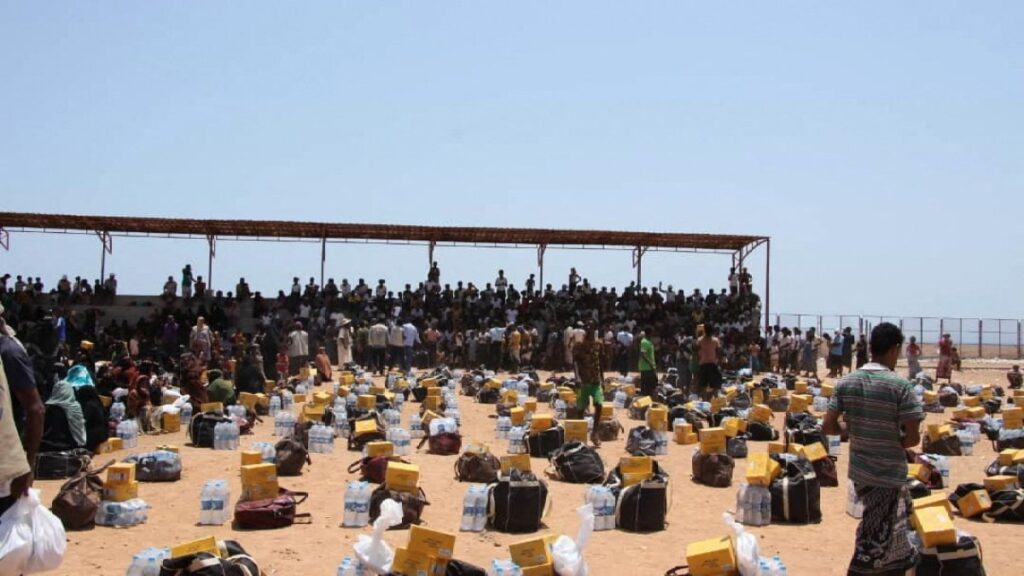
The United Nations has issued a stark warning regarding the escalating displacement crisis in Yemen, highlighting the severe humanitarian consequences of renewed fighting in the region. According to the UN Refugee Agency (UNHCR), the intensified conflict could potentially force more than 10,000 Yemenis to flee across the Red Sea to Djibouti, while internally, the number of displaced persons could exceed 230,000.
Yemen, already one of the world’s most severe humanitarian crises, has seen its population battered by years of conflict, famine, and disease. With the recent surge in violence, the displacement situation has deteriorated rapidly, compounding the struggles faced by millions of civilians.
The UN’s warning underscores the precarious conditions faced by those residing in Yemen amidst ongoing hostilities, which include airstrikes, ground clashes, and blockades. These conditions threaten to undermine fragile local communities and further destabilize the region.
Djibouti, situated across the Red Sea from Yemen, has already witnessed an influx of refugees seeking safety. The UNHCR estimates that if the conflict persists or escalates, thousands more will cross this critical maritime route in desperate search of refuge.
Furthermore, the internal displacement within Yemen is expected to soar, with more than 230,000 people likely to be uprooted from their homes. This surge is feared to overwhelm already overstretched humanitarian assistance and infrastructure.
Humanitarian organizations have expressed grave concern about the ability to provide adequate shelter, food, clean water, and medical care to the newly displaced population. With limited resources and access hurdles due to security threats, aid delivery remains a significant challenge.
The UN is calling for an immediate cessation of hostilities and a renewed commitment by all parties to prioritize civilian protection and humanitarian access. Diplomats and aid agencies alike strive to negotiate ceasefires and open corridors to deliver vital aid.
The ongoing conflict in Yemen has caused immense suffering since 2015, with hundreds of thousands killed or injured and millions more affected by poverty and displacement. This latest development threatens to exacerbate the situation further, creating a new wave of displacement that could destabilize neighboring countries.
Djibouti, though a relatively small nation, plays a crucial role in regional stability. Its capacity to host refugees is limited, and a sudden increase in arrivals could strain its resources and infrastructure.
International actors are urged to support both Yemen and Djibouti through increased humanitarian aid, funding, and political efforts to restore peace. Without concerted intervention, the displacement crisis risks spiraling beyond the control of the international community.
The UN’s warning highlights the urgent need for sustainable solutions to the Yemeni conflict, focusing on peacebuilding, reconstruction, and recovery efforts to prevent the displacement crisis from deepening.
Overall, the rising displacement stemming from renewed fighting in Yemen is a dire indicator of the conflict’s humanitarian fallout. It underscores the crucial role of international cooperation to alleviate the suffering and provide hope to those caught in the crossfire.