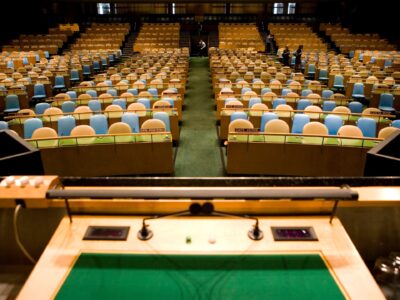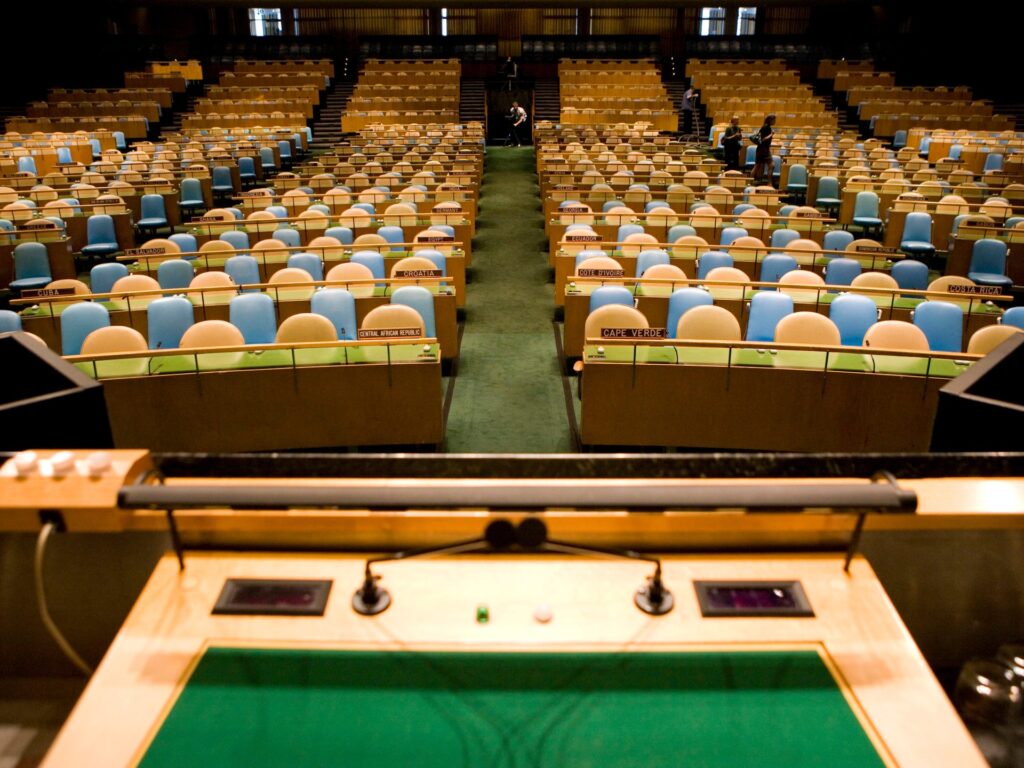
The United Nations General Assembly (UNGA) session for 2026 is set to commence with the general debate starting on September 22. This pivotal annual event brings together all 193 UN member states, providing a platform for world leaders to address global issues, discuss policies, and present their countries’ perspectives on various international matters.
The UNGA is one of the six principal organs of the United Nations and serves as a forum for multilateral discussion of international issues covered by the UN Charter. The general debate is a significant highlight of the session, where heads of state, government officials, and representatives from each member country deliver speeches outlining their positions and aspirations.
For the 2026 session, the general debate will begin on September 22, marking the official start of the assembly’s high-profile discussions. This event typically lasts for about a week, during which each member state is allotted time to speak. The order of speakers is usually determined by the level of representation, with heads of state and government speaking first, followed by ministers and other diplomats.
While the full list of speakers for the 2026 session has not yet been finalized or publicly released, traditionally, the President of Brazil opens the general debate as host of the previous session, followed by the President of the United States. Subsequently, representatives from other countries deliver their speeches following the established protocol set by the UN Secretariat.
The General Assembly in 2026 will address several pressing global challenges, including climate change, international security, economic development, and human rights. It offers a unique opportunity for dialogue among nearly all nations, aiming to achieve consensus and promote cooperative solutions.
In addition to the general debate, the UNGA’s agenda includes various thematic discussions, treaty negotiations, and the election of members to other UN bodies. The outcomes of these meetings influence international policies and the work of the UN in the following year.
As preparations continue, member states are expected to announce their delegates and agenda priorities, ensuring robust and constructive participation. The 2026 General Assembly promises to be a crucial juncture for global diplomacy, reflecting the evolving priorities and challenges of the international community.