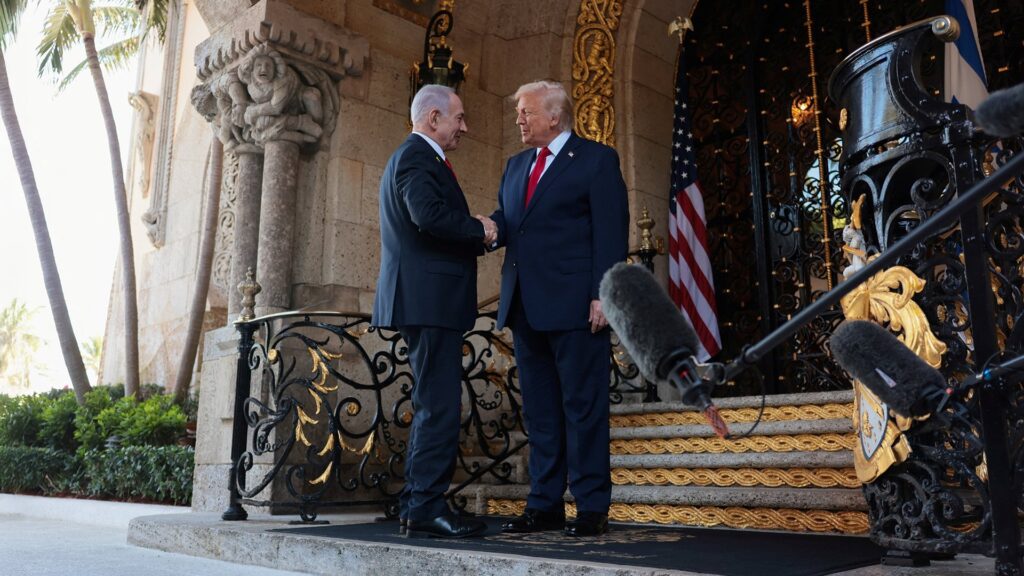
The United States has announced a significant arms deal with Israel, which includes sending 40,000 bombs valued at approximately $2.8 billion. This move has raised questions regarding the proportionality of such military support in relation to the threats Israel faces, and concerns about the potential impact on civilian casualties, particularly in Gaza.
The context for this arms deal lies in the escalating conflict between Israel and Hamas in Gaza. Israel cites an ongoing threat to its national security from Hamas militants, especially after recent large-scale attacks originating from Gaza. The US administration views this military assistance as a means to bolster Israel’s defense capabilities, aiming to help it manage the threat and maintain stability in the region.
Critics argue that the scale of the arms deal—sending tens of thousands of bombs—may be excessive and could lead to disproportionate use of force. Gaza, a densely populated area, has already suffered extensive damage and significant civilian casualties during previous conflicts. Human rights organizations and international observers warn that continued heavy bombardment may result in further humanitarian crises.
Supporters of the deal contend that Israel has the right to defend itself and that the US has a longstanding commitment to Israel’s security. They emphasize that advanced munitions can help Israel target militants more precisely, potentially reducing collateral damage.
However, analysts point out that the sheer volume of bombs in the deal raises concerns about escalation rather than de-escalation of violence. The delivery of 40,000 bombs could embolden prolonged military campaigns, making a peaceful resolution more difficult to achieve.
International reaction has been mixed, with some allies welcoming US support for Israel, while others urge restraint and call for renewed diplomatic efforts to address the root causes of the conflict.
In summary, the US decision to send 40,000 bombs to Israel reflects a complex balance of strategic alliances, threat perceptions, and humanitarian considerations. While the deal aims to strengthen Israel’s defense against what it perceives as existential threats, it simultaneously risks exacerbating the suffering of civilians in Gaza, underscoring the urgent need for diplomatic solutions alongside military aid.