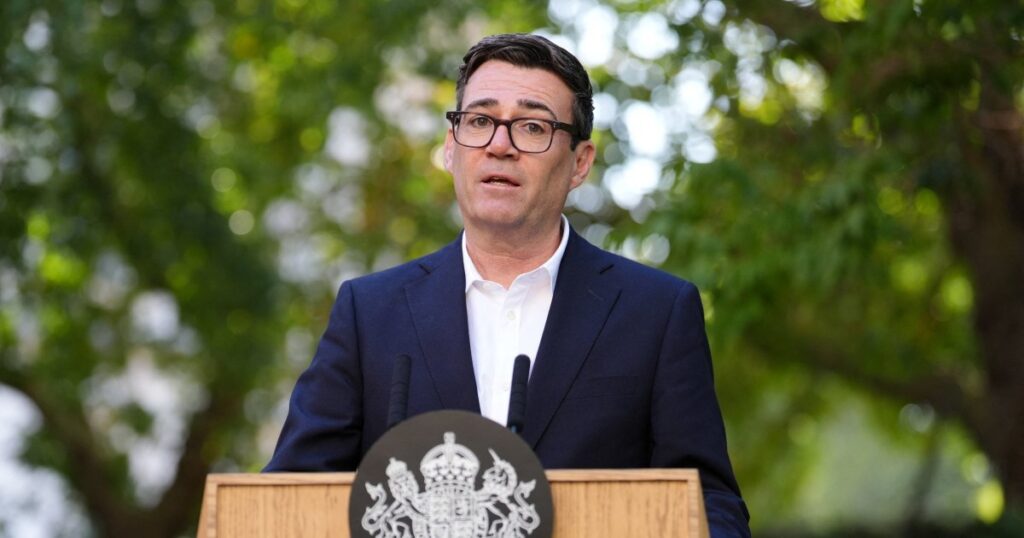
In a significant move amid ongoing tensions in the Middle East, British Prime Minister Andy Burnham has agreed to a request to supply ‘defensive’ air-to-air refuelling support for Saudi Arabian jets. This decision comes as part of an effort to counter attacks launched by the Houthi movement in Yemen.
The United Kingdom’s involvement highlights its strategic interest in the stability of the Gulf region, where Saudi Arabia has been engaged in a complex and prolonged conflict with the Houthi rebels. These rebels have repeatedly launched missile and drone strikes targeting Saudi territory, prompting Riyadh to bolster its defensive operations.
Air-to-air refuelling is a critical capability that extends the operational range and endurance of combat aircraft, allowing them to conduct longer missions without returning to base for fuel. By providing this support, the UK aims to enhance the Saudi air force’s ability to respond swiftly and effectively to Houthi threats.
Prime Minister Burnham described the refuelling arrangement as ‘defensive,’ emphasizing that it is intended solely to assist Saudi Arabia in protecting its territory rather than supporting offensive operations. This distinction is crucial given the sensitive geopolitical context and international scrutiny of the Yemen conflict.
The UK’s decision follows a series of escalating incidents involving Houthi attacks, which have targeted civilian infrastructure as well as military installations in Saudi Arabia. These attacks have raised concerns about regional security and the potential for wider instability.
British officials assert that the refuelling service will be conducted under strict guidelines to ensure compliance with international law and to avoid exacerbating the conflict. The refuelling missions are expected to be carried out from UK-operated aircraft capable of conducting mid-air refuelling.
This development marks a notable step in the UK’s defense cooperation with Saudi Arabia, reflecting broader efforts to counteract Houthi aggression. It also underscores the complexities of the Yemen conflict, which involves multiple regional and international actors.
Critics of the move have voiced concerns about the UK’s role in the conflict, particularly regarding potential civilian casualties and the humanitarian crisis in Yemen. However, supporters argue that enabling Saudi Arabia to defend itself more effectively is vital for regional stability.
The agreement has yet to be detailed publicly in terms of its duration or the specific capabilities to be provided. Nevertheless, this support is expected to enhance Saudi Arabia’s aerial defense posture significantly.
As the situation in Yemen remains fluid, the UK continues to monitor developments closely and advocates for a political resolution to the conflict. In the meantime, this refuelling arrangement demonstrates a tangible step by Britain to address direct threats facing its Gulf ally.
The move also reflects broader trends in international security cooperation, where logistical and support services play an increasingly important role in enabling partner nations to maintain sovereignty and security.
In conclusion, UK Prime Minister Andy Burnham’s agreement to provide defensive air-to-air refuelling for Saudi jets marks a pivotal moment in regional security dynamics, aiming to curb Houthi attacks while emphasizing a defensive posture in line with international law and diplomatic sensitivities.