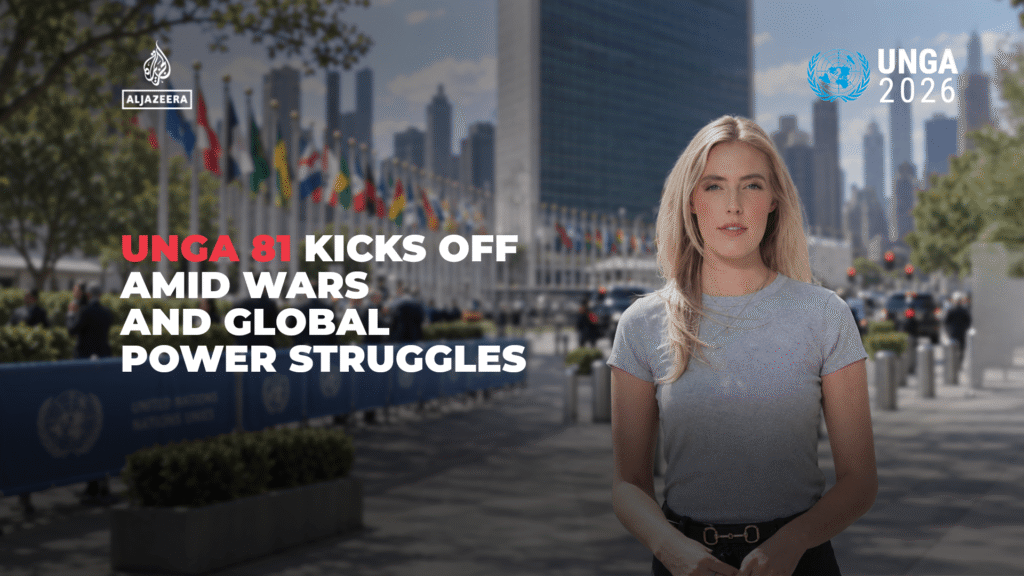
The 81st United Nations General Assembly (UNGA) has convened at a critical juncture in world affairs, with an increasing number of conflicts and a growing erosion of trust in global institutions. As world leaders gather in New York, all eyes are on their messages and proposed solutions to some of the most pressing international challenges.
This year’s UNGA is particularly noteworthy due to the complex geopolitical landscape marked by multiple, overlapping wars that affect both regional stability and global peace. Conflicts in various parts of the world have not only caused humanitarian crises but also intensified geopolitical rivalries, making diplomatic resolutions more challenging.
Trust in international bodies like the UN itself has been tested amid accusations of ineffectiveness, bias, or failure to enforce resolutions. This skepticism among member states poses a formidable obstacle to coordinated global action. Leaders are therefore expected to address not only the conflicts but also the urgent need to rebuild confidence in these institutions.
Emma Withrow, an expert in international relations, highlights that the agenda includes critical discussions on peacekeeping reforms, conflict resolution mechanisms, and cooperative strategies against emerging threats such as climate change and global health emergencies.
Security concerns top the list, with discussions expected on arms control, nuclear non-proliferation, and counterterrorism efforts. Economic stability will also be under scrutiny, as many nations deal with the fallout from war-related disruptions and global economic uncertainties.
In addition to formal meetings, the sidelines of the UNGA provide an essential platform for bilateral talks and diplomatic engagements, where leaders can pursue negotiations that may not be possible in larger assemblies.
Humanitarian issues will feature prominently, including the plight of refugees and internally displaced persons, whose numbers have surged due to conflicts. There is a significant push for renewed commitments to aid and protection in these crises.
Climate change remains a persistent and urgent theme, with calls for enhanced cooperation and stronger, actionable commitments to curb emissions and adapt to environmental changes.
Overall, the 81st UNGA serves as a critical forum for confronting the fractures in international peace and cooperation. As Emma Withrow explains, while the challenges are daunting, the assembly is an invaluable opportunity for dialogue, reaffirming multilateralism, and seeking pathways to peace and sustainable development.