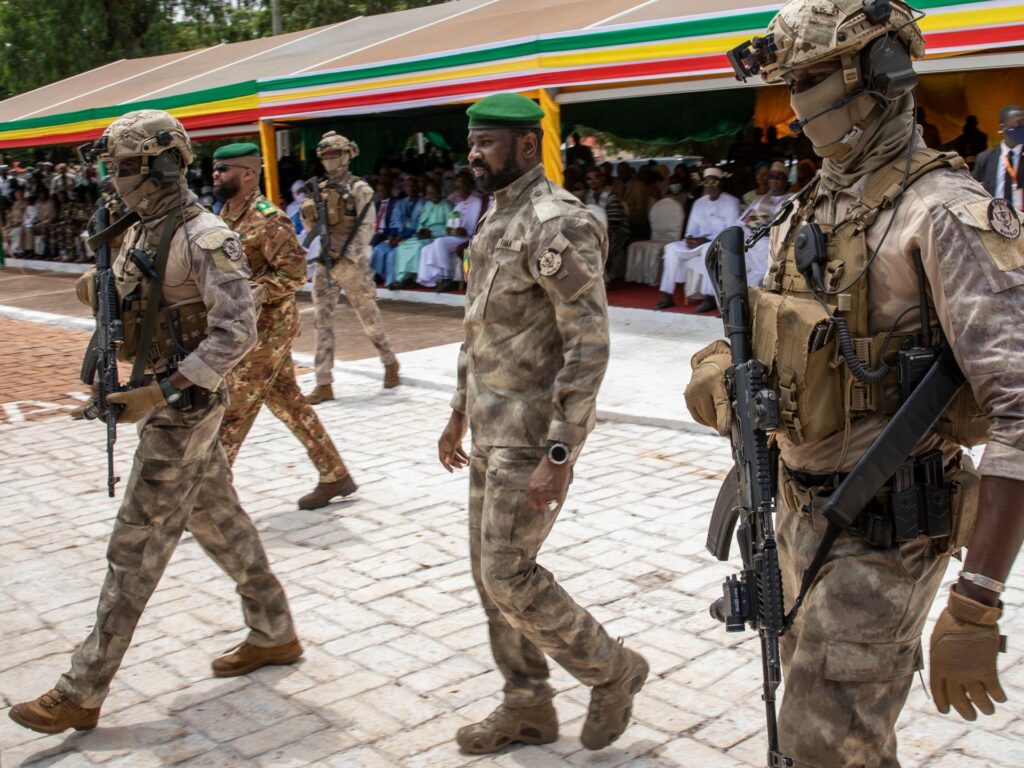
Mali is commemorating its 66th anniversary of independence, a milestone shadowed by an escalating security crisis that threatens the nation’s stability. Over the years, Mali has struggled with various armed groups that expand their influence, severely impacting the security landscape.
Since gaining independence, Mali has faced multiple challenges including political instability and insurgent violence, yet the current scenario marks one of the most severe periods in recent history. The armed groups operating in the northern and central regions have increased their activities, making it difficult for the government to maintain control.
Key supply routes, essential for the movement of goods and humanitarian aid, are under constant threat, with frequent attacks and roadblocks disrupting logistics. This has led to shortages of food, medicine, and other vital resources across several parts of the country, exacerbating the humanitarian crisis.
The government, while attempting to restore order, faces significant obstacles due to limited resources and the complex terrain. Efforts to negotiate peace agreements or implement military operations have met with limited success, as armed groups remain resilient and well-armed.
International organizations and neighboring countries have called for increased support and coordinated efforts to address the crisis. Peacekeeping missions and aid agencies are actively involved, but the volatile security environment hampers their operations.
The people of Mali, celebrating their independence, also confront the harsh realities of ongoing conflict and uncertainty. The government’s priority remains to secure key supply routes and create a safe environment for its citizens, but the path ahead remains challenging.
As Mali marks its independence, the international community continues to watch closely, hoping for a resolution that will bring peace and stability to this West African nation.