In recent years, Morocco’s youth has increasingly voiced its frustration over socio-economic challenges, unemployment, and political stagnation. This generational discontent, especially among Gen Z, has found new expression as young candidates step forward in the latest elections, aiming to transform protest energy into political action.
The younger demographic, which makes up a significant portion of Morocco’s population, has faced numerous hurdles such as limited job opportunities, rising living costs, and a lack of platforms for meaningful political dialogue. The protests and demonstrations led by Gen Z have highlighted these issues with demands ranging from greater transparency and governmental reform to expanded rights and social justice.
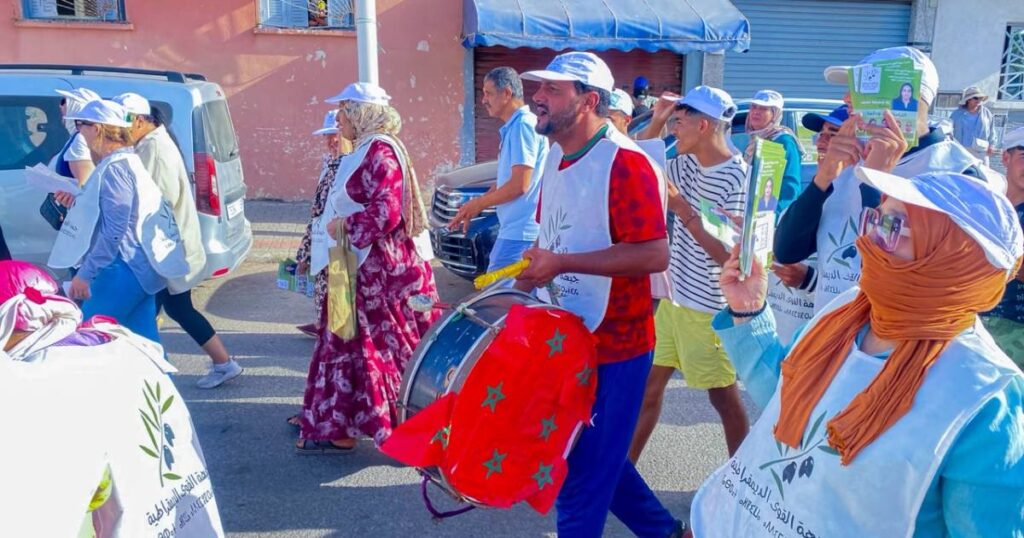
With elections underway, young hopefuls are campaigning on platforms that resonate directly with their peers’ concerns. They emphasize innovation, education reform, employment opportunities, environmental sustainability, and digital empowerment. Many are former activists and community organizers, bringing a grassroots perspective to the political arena.
Experts note that this shift from protest to participation is a positive development for Moroccan democracy. When young people engage in voting and running for office, it can lead to more inclusive policymaking and greater accountability. The enthusiasm among youth candidates reflects an eagerness to shape Morocco’s future beyond the usual rhetoric.
Several young candidates have reported strong support from both urban and rural areas, showcasing a widespread desire for change. Social media has played a critical role in mobilizing voters and spreading campaign messages, making it easier for young candidates to connect with the electorate.
Nonetheless, challenges remain. Many youth candidates must navigate entrenched political networks and limited resources, facing skepticism from older generations and established parties. Despite this, their participation signals a new phase of political engagement that could redefine Morocco’s political landscape.
This election cycle is more than just a vote; it symbolizes a generational shift in how young Moroccans view citizenship, empowerment, and their role in governance. If successful, the youth-driven movement could lead to substantive reforms and inspire greater participation in democratic processes across the region.
As Morocco observes these developments, the eyes of the broader Arab world are watching closely, hopeful that this wave of youthful political activism will set a precedent for increased youth inclusion and dynamic democratic evolution throughout the region.