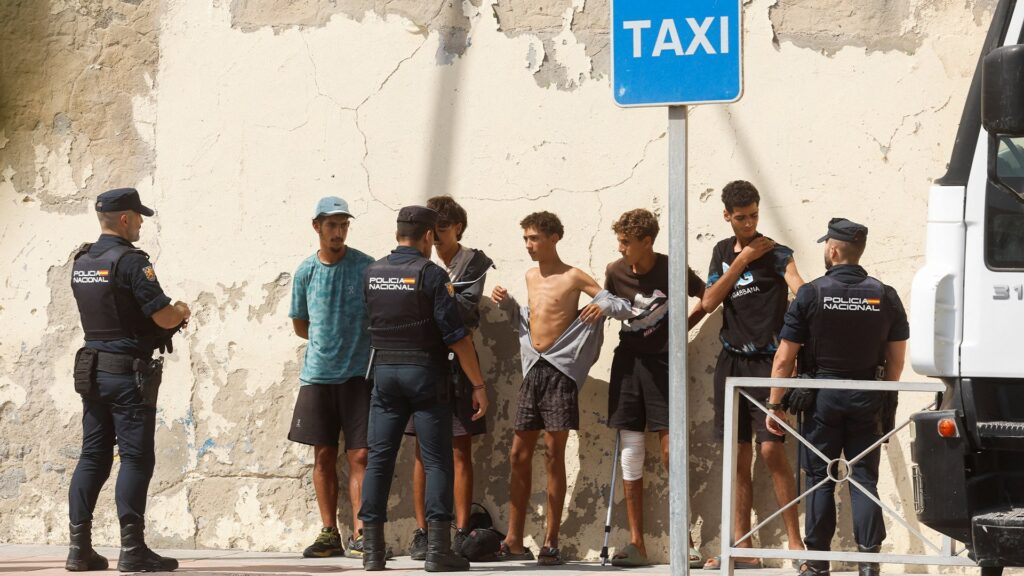
In July, the Spanish enclave of Ceuta witnessed a historic surge in migrants crossing its borders, leaving an estimated 10,000 people stranded in this small territory on the northern coast of Africa. This unprecedented influx overwhelmed local resources and triggered a humanitarian challenge that has persisted into the following months.
Ceuta, alongside Melilla, is one of two Spanish territories in North Africa and serves as a gateway to Europe for many migrants, primarily from sub-Saharan Africa and the Maghreb. The geographical location makes it a hotspot for migration attempts, often involving perilous journeys.
Following the record surge, Spanish authorities, international organizations, and local communities mobilized to provide urgent relief to the stranded migrants. Despite these efforts, the sheer number and the enclave’s limited infrastructure have strained capacities for accommodation, food, water, medical care, and sanitation.
Migrant camps, often makeshift and overcrowded, have become the central living arrangements for thousands. Many migrants face harsh conditions, including exposure to the elements, insufficient access to hygiene, and the psychological toll of uncertainty and apprehension about their future.
Humanitarian groups have stepped in to distribute essentials like food, water, and clothing. Mobile health units are providing basic medical care, addressing both physical ailments and mental health needs stemming from trauma endured during migration and while stranded.
Local residents, charities, and volunteers show solidarity by donating supplies, organizing cultural activities to maintain a sense of community, and advocating for migrants’ rights and humane treatment.
However, long-term solutions remain elusive. The Spanish government is working to process asylum applications and repatriate individuals for whom claims are denied, but bureaucratic delays and limited options create bottlenecks.
Meanwhile, migrants employ various coping mechanisms to survive day-to-day. Shared communal living, mutual aid networks, and informal economies within the camps have emerged. Some have found work in the informal sector, though opportunities are scarce.
The situation in Ceuta illuminates broader issues of migration management, border control, and the humanitarian responsibilities of destination countries. It underscores the urgent need for coordinated international responses addressing root causes of migration, safe legal pathways, and adequate support systems.
Until these systemic challenges are resolved, thousands of migrants will continue to endure hardships in Ceuta, caught between their hopes for a better life in Europe and the stark reality of life stranded at its doorstep.