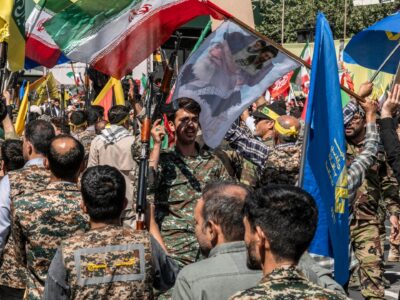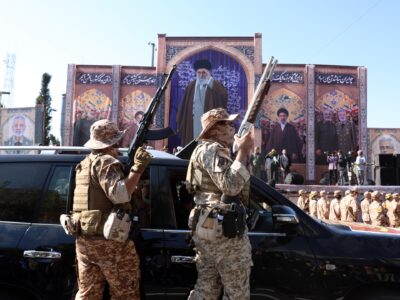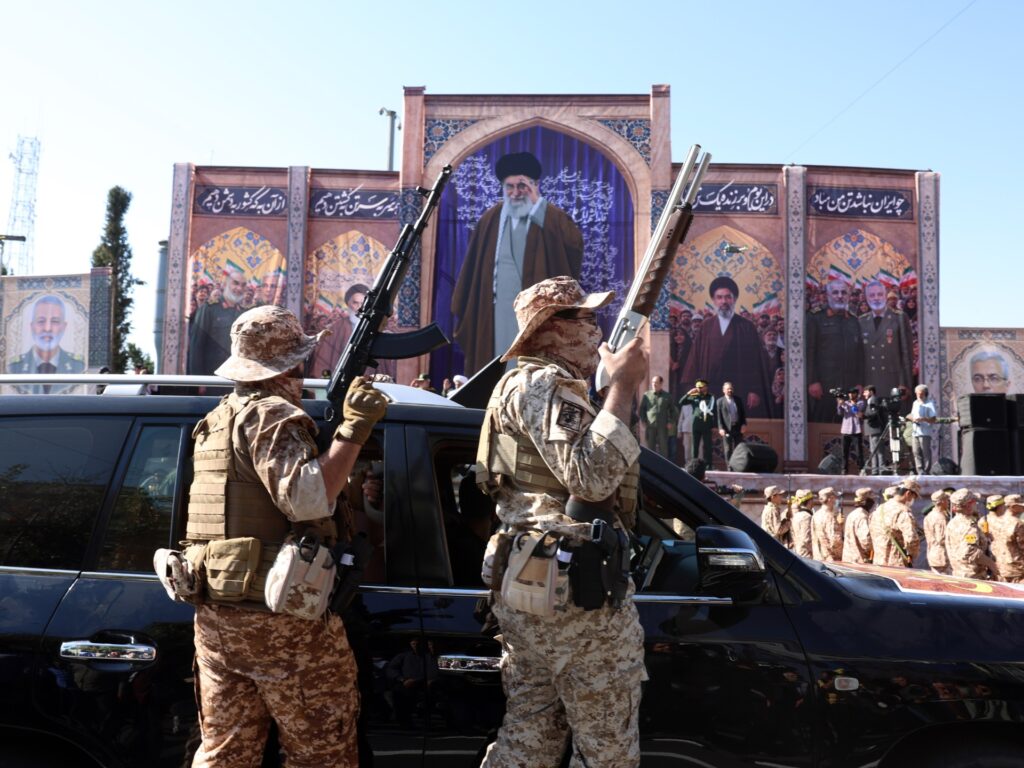
Tehran has issued a stern warning to the world and the United States, claiming it has intelligence indicating a possible new round of US military strikes soon. In response, Iranian officials have vowed retaliation “without limitations,” signaling a heightened level of hostility and readiness for defensive and offensive actions. This declaration comes amid rising tensions in the region and growing concerns over escalating conflict.
In a bold statement, Iran’s leaders have also declared that the world will be “astonished” by Tehran’s new weapons, hinting at advances in military technology or capabilities that could shift the balance of power. This announcement serves as both a deterrent and a message of strength, suggesting that Iran is prepared to respond forcefully to any aggression.
The Iranian regime has frequently accused the United States of aggressive policies and military interventions in the Middle East. The possibility of further US strikes has always been a source of tension and has led Iran to develop its missile and drone programs aggressively. The current warnings underscore Tehran’s intention to defend its sovereignty and retaliate with overwhelming force if attacked.
Experts note that Iran’s claims may be aimed at deterring the US and its allies from taking military action, while also reassuring domestic audiences and regional allies of its strength and resolve. The specifics of the so-called “astonishing” new weapons have not been disclosed, but they could include advancements in missile technology, drones, or cyber warfare capabilities.
International observers are watching the situation closely, as any military action or retaliation could escalate into wider conflict, impacting regional stability and global markets. Diplomatic efforts to de-escalate tensions have so far been limited, with both sides maintaining firm positions.
The potential for new US strikes reportedly stems from ongoing concerns over Iran’s nuclear program, regional influence, and alleged support for proxy groups. The US government has not publicly confirmed any plans for new military operations but continues to emphasize the importance of ensuring security in the region.
In response to Tehran’s warnings, many countries are urging caution and dialogue to avoid a full-scale conflict. The situation remains highly fluid, with the possibility of rapid developments that could change the geopolitical landscape.
Analysts highlight that Tehran’s show of strength and warnings align with its historical approach to external threats—combining verbal deterrence with strategic military developments. This pattern underscores the complexity and volatility of Middle East security issues.
In summary, Iran’s latest statements reflect an escalating cycle of threat and counter-threat between Tehran and Washington. The global community watches anxiously, aware that the unfolding events could have significant implications for peace and security in the region and beyond.