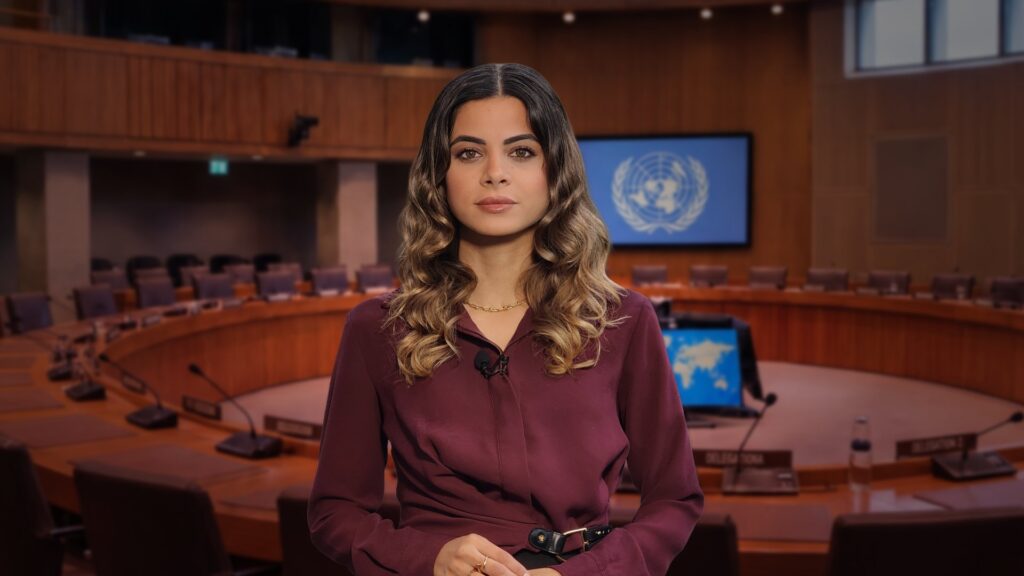
The United Nations (UN) is a global organization where every member country, totaling 193, is granted one vote in the General Assembly. This democratic principle ensures that each nation, regardless of size or influence, has an equal voice. However, this equality in voting does not fully reflect the power structure within the UN.
The real power at the United Nations lies with the five permanent members of the Security Council, often referred to as the P5. These countries are the United States, Russia, China, the United Kingdom, and France. Unlike the other 188 member states, these five nations have special privileges that give them significant control over the UN’s decision-making process.
One of the most critical powers the P5 hold is the veto right. This means that any substantive resolution proposed in the Security Council can be blocked if any one of the P5 members casts a veto vote. This veto power can halt Security Council action on key issues, from peacekeeping operations to sanctions and military interventions.
The Security Council primarily addresses threats to international peace and security, making its decisions highly influential. Because of the veto power, the P5 can effectively steer the agenda and outcomes of international security decisions, often shaping global politics to reflect their interests.
This power dynamic was established at the inception of the UN after World War II, reflecting the geopolitical realities of that era. The five nations were the main victors of the war and were entrusted with the responsibility of maintaining international peace.
Critics argue that this structure is outdated and undemocratic, as it allows a small group of powerful countries to dominate global decisions, sometimes at the expense of the majority. Efforts to reform the Security Council have been ongoing for years, with suggestions to expand the number of permanent members or to alter the veto power, but no consensus has been reached.
Despite these criticisms, the current structure ensures that the most militarily powerful and diplomatically influential states have a central role in maintaining international peace and security. The balance the UN seeks to maintain is between sovereign equality of all member states and the practical realities of global power politics.
In conclusion, while every country at the United Nations has a vote, the true power resides with the five permanent members of the Security Council. Their veto power and central role in international security decisions make them the most influential actors within the UN, shaping the course of global diplomacy and peacekeeping efforts. Understanding this power dynamic is crucial for grasping how international relations are managed on the world stage today.