Tensions between Iran and the United States have escalated sharply as Iran’s military announced that the US is preparing to resume military strikes, prompting Tehran to threaten retaliation. This development comes amidst a complex backdrop of diplomatic maneuvers, with Qatar actively working to revive talks aimed at easing the crisis.
According to official statements from Iran’s armed forces, Tehran has been closely monitoring increased military activity by the US in the region, which is perceived as preparation for imminent strikes. In response, Iran has issued stern warnings that any attack on its territory or interests will be met with immediate and forceful retaliation, raising concerns about potential escalation into a broader conflict.
The situation intensified following remarks from former US President Donald Trump, who reportedly is weighing military action against Iran in response to perceived threats. This stance has reignited fears of renewed hostilities after a period of relative calm following the volatile incidents of recent years.
Despite the growing tensions, Qatar has positioned itself as a mediator seeking to de-escalate the situation. Doha has been actively engaging with both Tehran and Washington, encouraging dialogue and negotiation to avoid further conflict. Qatar’s diplomatic efforts highlight the fragile nature of peace in the region and the importance of continued communication channels.
Historically, US-Iran relations have been marked by hostility, including economic sanctions, military confrontations, and proxy conflicts throughout the Middle East. The possibility of resumed strikes by the US represents a significant shift that could destabilize the region further, impacting global oil markets and security.
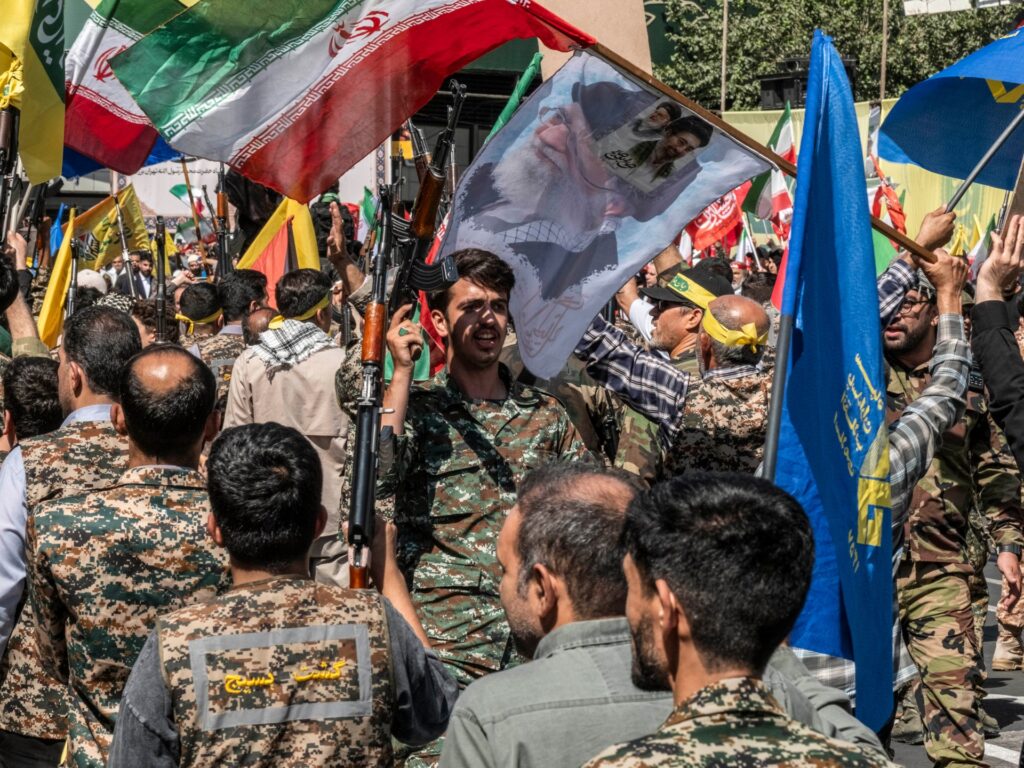
Iran’s military readiness has been underscored by recent drills and public displays of new defense systems, signaling Tehran’s preparedness for any military engagement. The government has also rallied domestic support by framing the situation as a fight against external aggression and a defense of national sovereignty.
Experts warn that while military preparations on both sides heighten the risk of conflict, diplomatic initiatives remain crucial. The ongoing efforts by Qatar to bring the involved parties back to the negotiating table could prove pivotal in averting a military confrontation.
International actors, including the United Nations and European powers, have expressed concern over the potential for escalation and called for restraint from all involved parties. The global community remains vigilant as developments unfold, recognizing the far-reaching consequences of renewed violence in the Middle East.
As the situation remains fluid, both Iran and the US appear prepared to defend their positions strongly. The coming days will be critical in determining whether diplomatic efforts can prevail or if the region will face another dangerous chapter of military conflict.