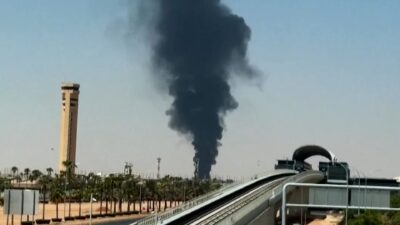
In a dramatic escalation of the ongoing conflict, Russia has reported that two people were killed in a Ukrainian drone attack on Moscow. This incident marks a significant development in the hostilities, highlighting the increasing use of unmanned aerial vehicles (UAVs) as tactical weapons.
The attack on Moscow signals a bold move by Ukrainian forces, targeting the heart of Russia’s capital. While details about the victims and the exact circumstances of the strike are still emerging, Russian authorities have confirmed the deaths, emphasizing the severity of the incident.
According to Moscow’s mayor, an extensive drone interception effort has been underway since Saturday. The city has reportedly intercepted around 1,600 drones during this period, with approximately 450 of those drones aimed specifically at Moscow. This high number of attempted incursions underscores both the scale of drone warfare being utilized and the persistent efforts to breach the capital’s defenses.
The interception of drones is carried out by a combination of military and civil defense systems, designed to detect and neutralize incoming aerial threats. The effectiveness of these systems in Moscow has been notable, as many drones have been stopped before reaching populated areas, potentially preventing significant casualties and damage.
The use of drones in this conflict reflects a broader trend in modern warfare, where unmanned systems are increasingly deployed for reconnaissance and offensive operations. Drones offer a way to conduct targeted attacks with reduced risk to personnel, and they can be launched quickly and in large numbers to overwhelm defenses.
Russia’s announcement about the interception statistics aims to reassure the public and demonstrate the capabilities of its air defense networks. It also highlights the challenges Moscow faces in protecting its urban centers against a new kind of aerial threat.
The Ukrainian side has not officially commented on the drone attack that resulted in fatalities in Moscow. However, the incident may be interpreted as part of a larger strategy to put pressure on Russian authorities by bringing the conflict closer to the heart of Russia’s major population centers.
International observers are closely monitoring the situation, noting that the conflict’s expansion to urban airspace over Moscow could signify an intensification of the hostilities and a shift in tactics.
This escalation raises concerns about civilian safety and the potential for further attacks that could lead to increased casualties. It also poses questions about the evolving nature of air defense systems and the strategic importance of drones in modern military engagements.
In summary, the killing of two individuals in a Ukrainian drone attack on Moscow, combined with the interception of thousands of drones over the weekend, highlights a critical phase in the ongoing conflict. The use of drones as offensive weapons and the response by Russian defense forces are setting new precedents in warfare, signaling a new era of aerial combat challenges for metropolitan areas.
Authorities continue to urge vigilance and preparedness as they work to enhance drone detection and interception capabilities. The situation remains fluid, with further developments expected as both sides adapt to the unfolding dynamics of drone warfare.