In the ongoing conflict in Gaza, the battle for visibility has become one of the most potent and complex struggles. Termed “Echoicide,” this concept refers to the erasure or drowning out of certain narratives and truths amid the chaos of war, a phenomenon that extends far beyond the physical battlefield into the realms of media, social networks, and international attention.
Visibility in Gaza is not merely about who has the loudest voice but about who controls the narrative—and thereby, the perceived reality of the conflict. This digital age drama involves layers of political, social, and technological mechanisms that determine which stories are amplified, which are suppressed, and ultimately, which are remembered or forgotten.
From Gaza’s densely populated streets to the scrolling feeds of global audiences, the struggle to be seen and heard is emblematic of larger global conflicts. The truth about civilian casualties, humanitarian crises, and political motives often becomes a casualty itself, drowned out by misinformation, propaganda, and selective media coverage.
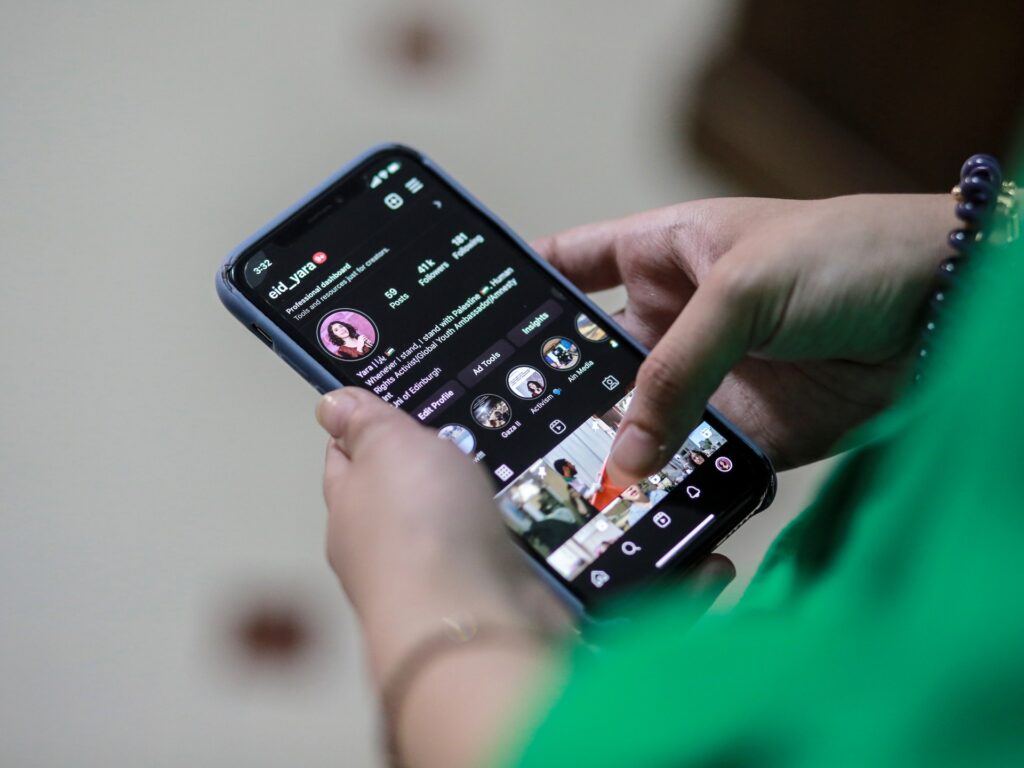
Social media platforms serve both as battlegrounds and amplifiers. They offer unprecedented opportunities for firsthand accounts but also facilitate misinformation and strategic silencing by powerful actors. Algorithms and platform policies can unintentionally prioritize certain narratives while burying others, shaping international perception in real-time.
Traditional media, meanwhile, faces challenges of access and censorship, often relying on official sources or restricted reporting zones, which can skew the portrayal of events. International news coverage frequently depends on narratives that fit broader geopolitical interests, sometimes marginalizing the voices of those on the ground.
The concept of Echoicide highlights the ethical responsibility of journalists, media outlets, and social networks to consider whose stories are told and whose are erased. It raises vital questions about media literacy, digital activism, and the power of collective memory in conflict zones.
In Gaza, the fight over truth visibility is part of a broader struggle for justice and recognition. It underscores the need for diverse, independent reporting and critical engagement by global audiences to resist the erasure of critical truths.
Ultimately, the question remains: in the digital age, who decides which truths survive in Gaza? The answer is complex, involving state actors, media institutions, technology companies, and the global public. Ensuring that multiple voices are heard and preserved is essential to honoring the human experience amid conflict and to fostering informed, compassionate action worldwide.