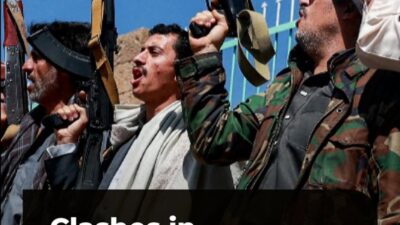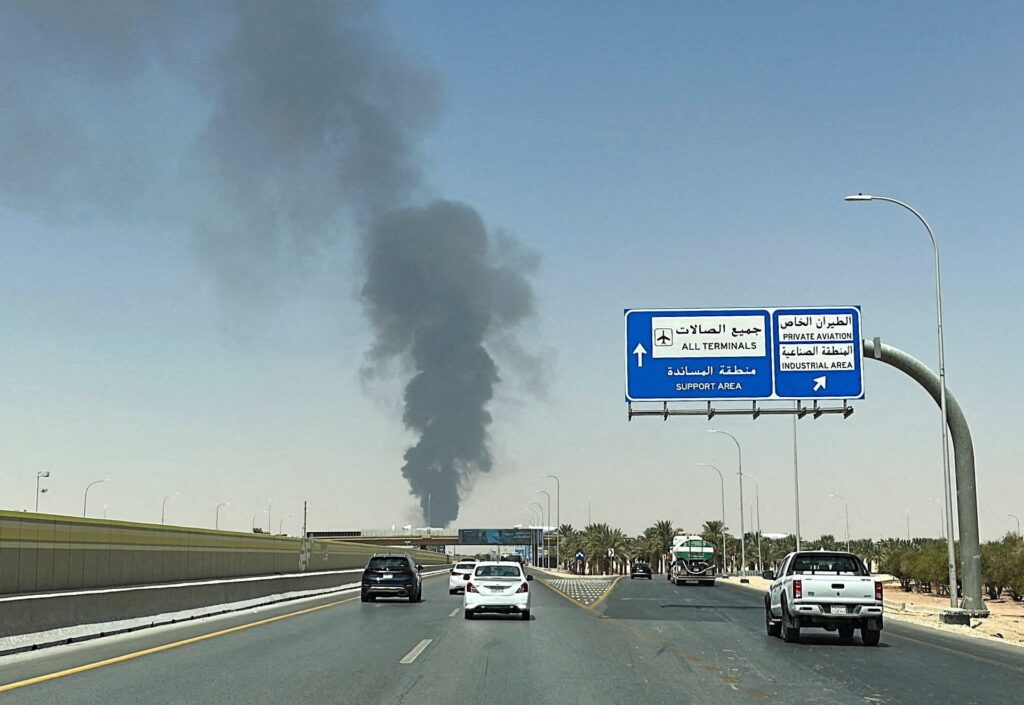
In a significant escalation of the ongoing conflict between the Houthis in Yemen and the Saudi-led coalition, the coalition announced that it successfully intercepted a missile fired at Riyadh. This incident marked the first air raid alert in the Saudi capital since the recent surge in skirmishes and hostilities.
The missile, reportedly launched by Houthi forces, was aimed at Riyadh, the bustling capital city of Saudi Arabia. The coalition’s defense systems managed to detect and neutralize the threat, preventing potential damage and casualties. The Saudi-led coalition has been engaged in military operations against the Houthi rebels in Yemen, who have received support from Iran, further complicating the geopolitics of the region.
This latest attack underscores the increasing capabilities and intentions of the Houthis to extend their reach beyond Yemen’s borders, targeting strategically important sites within Saudi Arabia. The Houthis, also known as Ansar Allah, have frequently launched projectiles into Saudi territories as part of their asymmetric warfare tactics.
The missile interception triggered Riyadh’s air raid sirens, creating a moment of tension and alert among the city’s residents, many of whom have grown accustomed to warnings due to the prolonged conflict. This was the first such alert in Riyadh in recent times, highlighting the seriousness of the threat.
Saudi Arabia has historically maintained a robust air defense system, designed to protect key locations from missile and drone attacks emanating from Yemen. The successful interception is a testament to these capabilities but also reflects the persistent security challenges faced by the kingdom.
International reactions to the incident have generally been condemnatory of the missile launch, with many countries expressing support for Saudi Arabia’s right to defend its territory and urging a peaceful resolution to the Yemeni conflict.
The Yemeni civil war, which began in 2014, has had devastating humanitarian consequences, with millions displaced and widespread famine. The conflict involves a complex array of factions, including the internationally recognized Yemeni government, the Iran-backed Houthis, and the Saudi-led coalition supporting the government.
The missile attack on Riyadh may further escalate tensions in the already volatile Middle East, raising concerns about the potential for broader regional conflict. Diplomatic efforts continue alongside military actions, seeking to find a sustainable solution and ceasefire agreement.
Residents of Riyadh have been advised to remain vigilant but calm as security forces enhance their readiness for possible future threats.
The incident demonstrates the fragile security environment and the ongoing risk of hostilities spilling over into major urban centers in the region. Both sides have been urged by the international community to de-escalate and return to dialogue to prevent further civilian harm.
This event serves as a stark reminder of the complex and multifaceted nature of the conflict in Yemen, involving local, regional, and international dimensions, and the challenges in achieving lasting peace. Saudi Arabia’s interception of the missile reiterates the Kingdom’s commitment to protecting its citizens and preserving national security amid turbulent times.