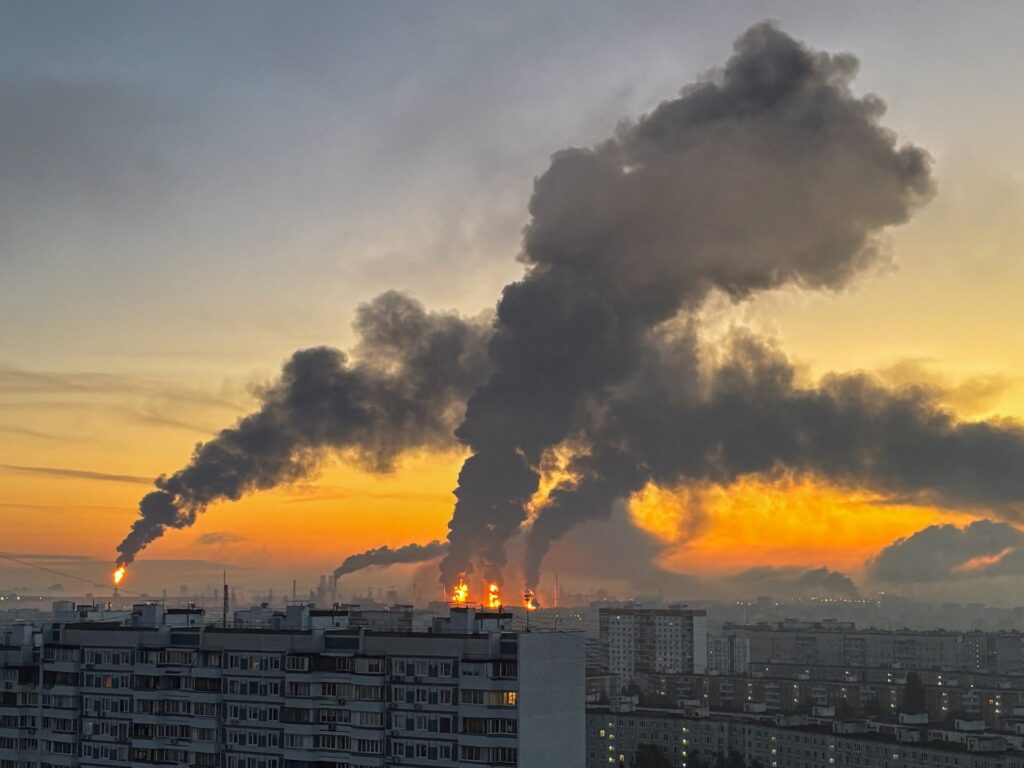
A large-scale drone attack targeting Moscow has reportedly resulted in the deaths of two individuals, according to Russian officials. Moscow’s mayor stated that the city’s defenses intercepted an unprecedented 1,600 drones during the assault, describing the event as one of the most significant and aggressive attacks on the Russian capital in recent history. The attack was attributed to Ukrainian forces, who Russia accuses of attempting to interfere with domestic political processes amid upcoming elections.
Authorities conveyed that the scale of the drone operation was extraordinary, indicating a surge in the strategic use of unmanned aerial vehicles (UAVs) in the ongoing conflict. The drones were intercepted by Moscow’s air defense systems, which were put on high alert to respond swiftly to the mass aerial assault. Despite these defensive efforts, the attack nevertheless inflicted casualties, marking a grim escalation in hostilities.
The mayor of Moscow condemned the attack as a brazen act of aggression amidst a sensitive political period, asserting that Ukraine’s objective was to disrupt the stability of Russia through violent means. The timing of the attack is notable, coinciding closely with Russia’s national elections, which Moscow officials suggest Ukraine intended to disturb or influence.
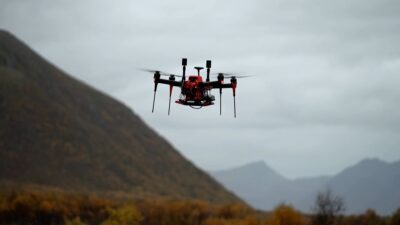
Analysts observe that the use of drone swarms represents a shift in warfare tactics, highlighting how technology is increasingly employed to circumvent traditional defenses. The mass deployment of UAVs complicates interception efforts, as defending forces must deal with multiple simultaneous threats. Experts note that such attacks may become more common in conflicts involving state and non-state actors armed with drone capabilities.
In response, Russian military and security agencies have reiterated their commitment to protecting urban centers and critical infrastructure. Enhanced drone detection and interception measures are expected to be deployed to prevent similar incidents in the future. Officials have also issued warnings about the potential for escalated drone warfare amidst the ongoing Ukraine-Russia conflict.
The incident underscores the intensifying nature of the conflict and the lengths to which parties are willing to go to achieve strategic objectives. It also raises concerns about the safety of civilian populations in densely populated areas where political tensions remain high. Moscow’s preparedness and response signal an evolving security landscape where advanced technology plays a central role.
Further investigations are underway to ascertain the full impact of the attack and to identify additional participants or supporters associated with the drone offensive. Russia continues to monitor the situation closely and may adjust its defense strategies to counter emerging threats.
The international community remains attentive to developments, with calls from various quarters for de-escalation and renewed diplomatic efforts to resolve the longstanding conflict. Meanwhile, the residents of Moscow face the realities of modern warfare arriving at their doorsteps through unprecedented technological aggression.