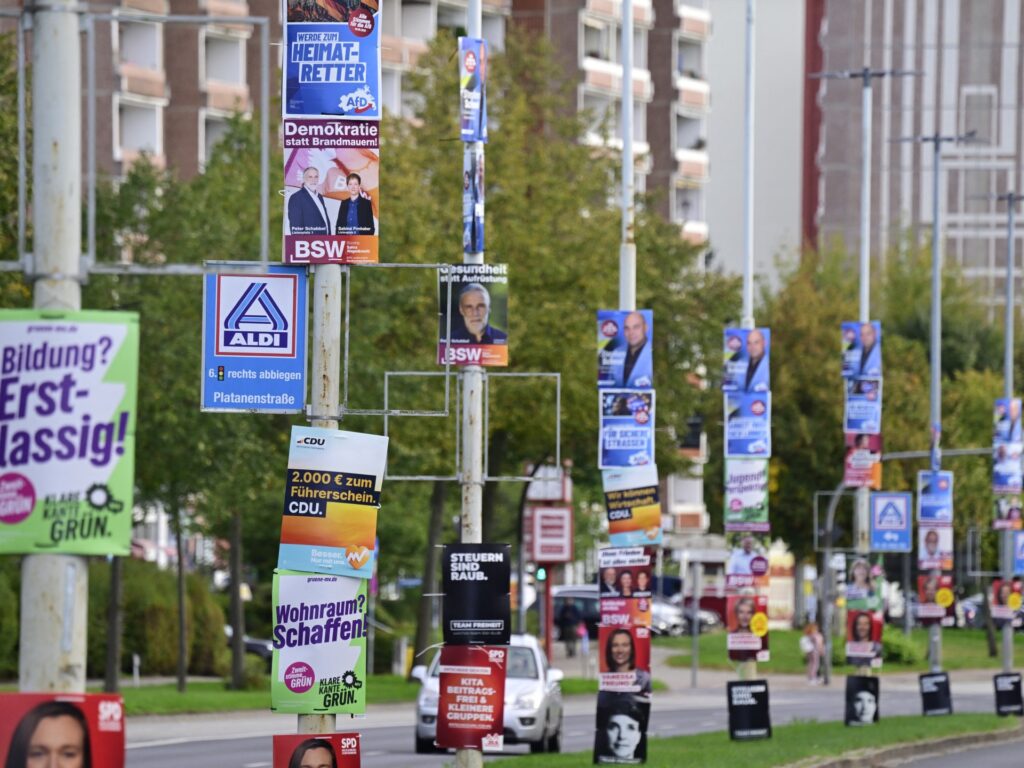
On Sunday, approximately 3.8 million voters in Germany are set to cast their ballots in the state elections for Berlin and Mecklenburg-Western Pomerania. This crucial electoral event will shape the political landscape of these two significant German states, impacting local governance and policies for the coming years.
Berlin, the nation’s capital and a city-state, is known for its diverse population and dynamic political scene. The election results here are closely watched as they not only influence city policies but also provide insights into broader national political trends. Voters in Berlin will choose representatives who will address pressing urban issues such as housing, transportation, and social services.
Meanwhile, Mecklenburg-Western Pomerania, located in northeastern Germany, has a different set of priorities. This state is characterized by its rural areas, coastal regions, and a distinct political mood reflecting local concerns over economic development, environmental protection, and infrastructure improvements.
The elections come at a time when Germany is navigating complex challenges, including economic pressures, energy transitions, and social change. Both states’ outcomes could affect the balance of power among political parties and their strategies ahead of future federal elections.
Political parties and candidates have campaigned vigorously, engaging with citizens on issues ranging from climate policy to social justice. Voter turnout is expected to be a key factor influencing the final results, with parties aiming to mobilize their bases effectively.
International observers and political analysts are also watching these elections closely, given their implications for Germany’s political stability and policy direction. The results will provide a snapshot of public sentiment in two distinct regions with unique political identities.
The day promises to be a significant moment for the democratic process in Germany, reaffirming the importance of elections in shaping the future of the country at both local and national levels. As the votes are counted, all eyes will be on Berlin and Mecklenburg-Western Pomerania to see which parties and policies emerge victorious, setting the stage for the next chapter in German politics.