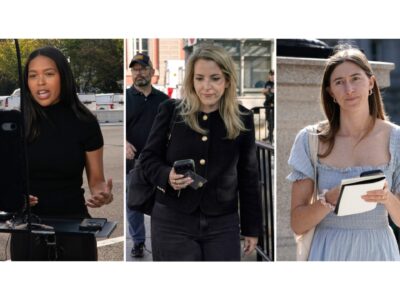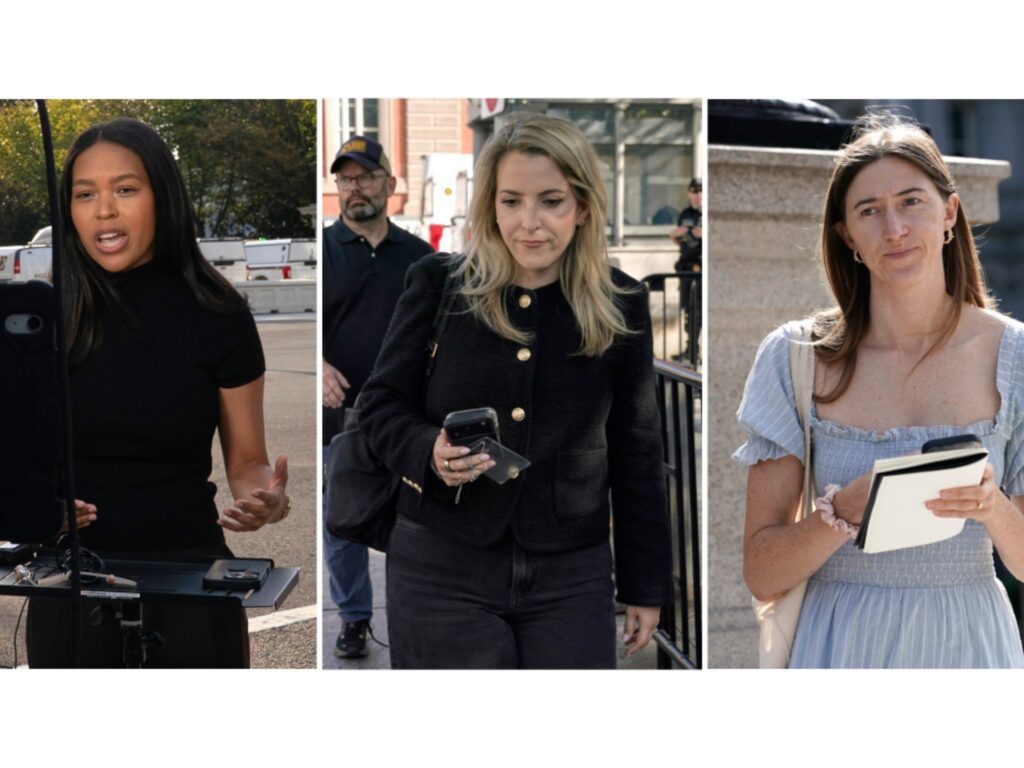
In an unprecedented move that has raised serious concerns about press freedom in the United States, the White House barred journalists from three major news outlets—CNN, MSNBC, and Politico—from accessing the White House premises on Saturday. This decision sparked immediate backlash from media organizations, press advocates, and political figures who condemned the action as a direct assault on the First Amendment rights and the principle of a free press.
The journalists from these outlets were denied entry without a clear explanation from White House officials, creating an atmosphere of confusion and alarm among media circles. The ban is widely seen as a response to the critical coverage these networks and publications have provided, particularly surrounding recent White House policies and statements. Critics argue that the denial of access is a form of retaliation that undermines transparency and stifles independent journalism.
Historically, the White House has maintained a tense but functional relationship with the press, characterized by rigorous questioning and occasional disputes. However, outright barring of reporters from respected news organizations marks a significant escalation. The incident has led to calls for congressional investigations and demands for the White House to reinstate immediate access for the journalists to uphold the democratic values of accountability and openness.
Media freedom organizations have also issued statements condemning the ban. The Committee to Protect Journalists described the action as “a dangerous precedent that threatens not only the excluded outlets but the entire media ecosystem.” Similarly, the Reporters Committee for Freedom of the Press emphasized that such exclusions are incompatible with the role of the press as a watchdog of government activities.
In response to the controversy, the White House Press Secretary has yet to provide a detailed justification, fueling speculation about motives and intentions. Meanwhile, the affected news organizations have vowed to continue their reporting undeterred, emphasizing their commitment to informing the public despite the obstacles.
This incident has ignited a broader debate on the state of press freedom in the United States, with many observers pointing to accelerating challenges journalists face, including restricted access, misinformation campaigns, and political pressures. The incident at the White House serves as a stark reminder of the fragile nature of press freedom and the necessity for continued vigilance and advocacy to protect it.
As the story develops, stakeholders across political and media landscapes are watching closely, recognizing that the outcome could set significant precedents for how the government interacts with the press in the future. The barring of CNN, MSNBC, and Politico reporters underscores the ongoing tensions between the White House and the media, highlighting the critical role of journalism in democratic governance and the risks posed when that role is compromised.