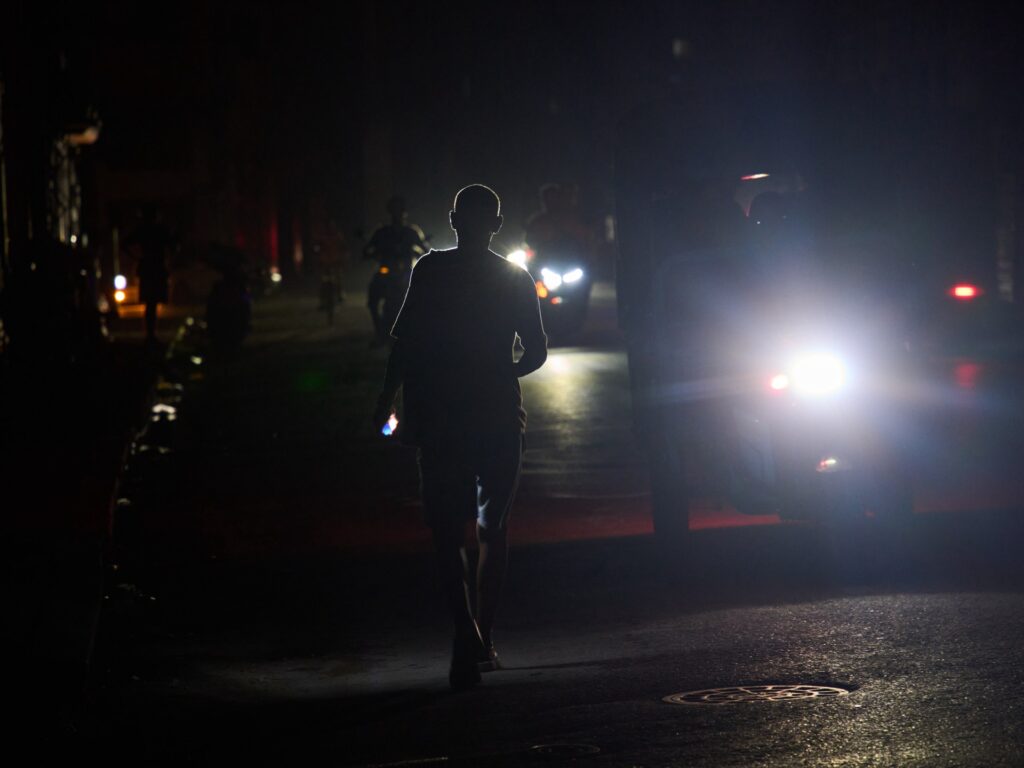
Cuba has been grappling with yet another major nationwide blackout, marking at least the sixth such incident this year. The latest power outage has plunged the country into darkness, severely affecting homes, businesses, and critical infrastructure across the island.
This recurring energy crisis is closely tied to the ongoing energy blockade imposed by the United States. The blockade has severely restricted Cuba’s ability to import fuel and energy supplies, exacerbating the country’s already fragile power grid.
Cuban authorities have been working tirelessly to restore electricity, dispatching repair teams to affected areas to fix damaged infrastructure and reestablish power supply. However, the efforts are complicated by persistent fuel shortages and logistical challenges brought on by the blockade.
The blackout has disrupted daily life for millions of Cubans. Hospitals and medical facilities are operating on emergency generators, schools have been forced to close temporarily, and many businesses face significant losses as refrigeration and machinery halt operations.
The government has urged citizens to remain calm and conserve energy to help ease the strain on the grid. In addition, officials are calling for international solidarity and an end to the U.S. sanctions that have contributed to the energy crisis.
Experts highlight that Cuba’s power infrastructure, already strained by age and lack of investment, is vulnerable to such disruptions. The repeated blackouts underscore the urgent need for sustainable energy solutions and modernization of the electrical grid.
Despite the hardships, the Cuban people remain resilient, coming together to support one another during these challenging times. Community initiatives and local measures are being implemented to provide assistance and maintain essential services.
The energy blockade’s impact extends beyond power outages, affecting economic stability and the overall quality of life. International observers continue to monitor the situation, urging for diplomatic efforts to resolve the crisis and lift sanctions.
Cuba’s struggle to maintain consistent power supply amid external pressures highlights the complex interplay between geopolitics and domestic infrastructure challenges. The repeated blackouts serve as a stark reminder of the broader consequences of prolonged economic sanctions.
In summary, Cuba’s recent nationwide blackout represents a significant setback in the nation’s pursuit of energy security and economic resilience. The combination of an outdated power grid and the effects of an external energy blockade has created a critical situation, affecting millions and calling for urgent attention both domestically and internationally.