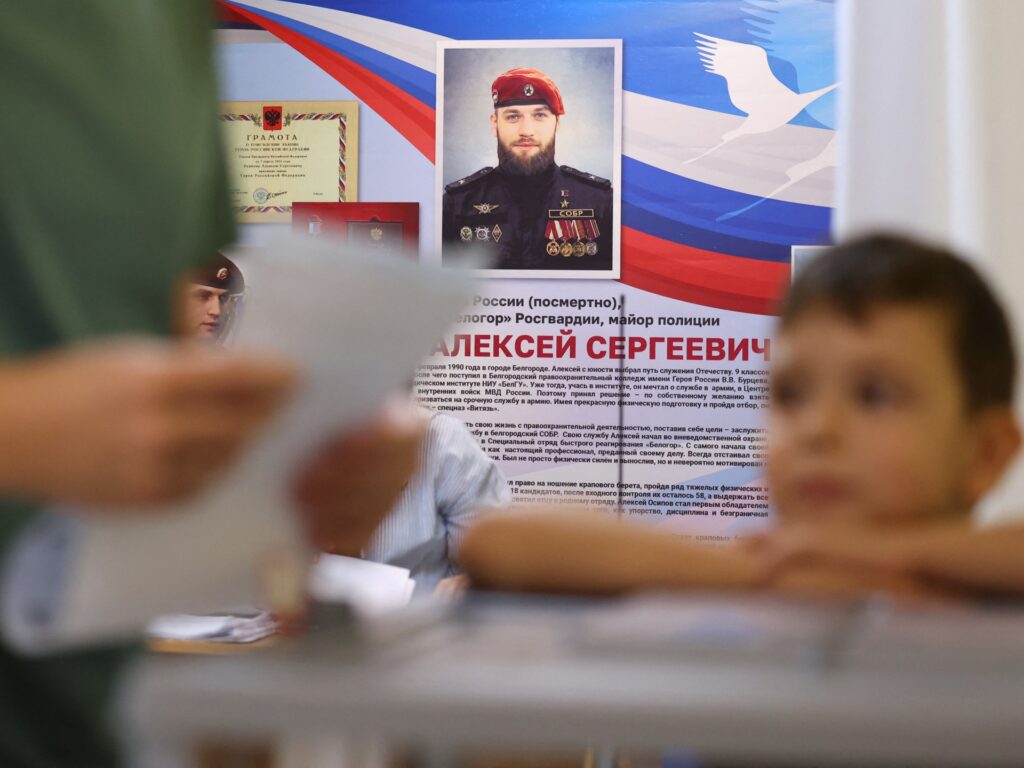
Russia has reported experiencing “powerful” cyberattacks on the second day of its parliamentary vote, marking the country’s first election since its invasion of Ukraine. These elections are being closely watched as they are expected to reflect the level of public support for the ongoing conflict.
The parliamentary elections began amid heightened political and social tensions both inside Russia and internationally. Given the geopolitical backdrop, the elections are not only a test of Russia’s internal political landscape but also a signal to the global community about the government’s standing and legitimacy.
Officials disclosed that the cyberattacks targeted critical voting infrastructure and information systems, aiming to disrupt the electoral process. Authorities have been mobilizing cybersecurity teams to counter these attempts and to secure the election integrity.
The timing of these attacks suggests an effort by external actors to undermine the election outcome or exacerbate political instability during a sensitive period.
Analysts point out that the cyberattacks could attempt to sway public perception by manipulating information or by sowing distrust in the election results.
Despite these disruptions, Russian officials remain confident in the robustness of their voting systems and the resilience of their digital defenses.
The parliamentary vote is a key moment, as it will determine the composition of the State Duma, Russia’s lower house of parliament. The results are expected to influence the country’s legislative direction and its policies related to the ongoing war in Ukraine.
Public sentiment within Russia remains divided, with some segments strongly endorsing the government’s actions in Ukraine, while others are critical or concerned about the conflict’s consequences.
The international community is also monitoring the elections closely, with many observers expressing concerns over the fairness and transparency of the electoral process, especially amid the ongoing war and reported cyber threats.
This election cycle represents a convergence of complex challenges including warfare, cybersecurity threats, and political maneuvering, all playing out under the scrutiny of both domestic and global audiences.
As Russia moves forward with its parliamentary elections, the world watches to see how these cyberattacks and political dynamics may reshape the country’s future and its role on the international stage.