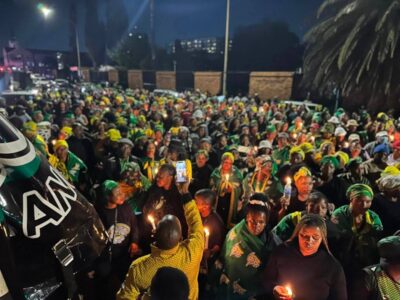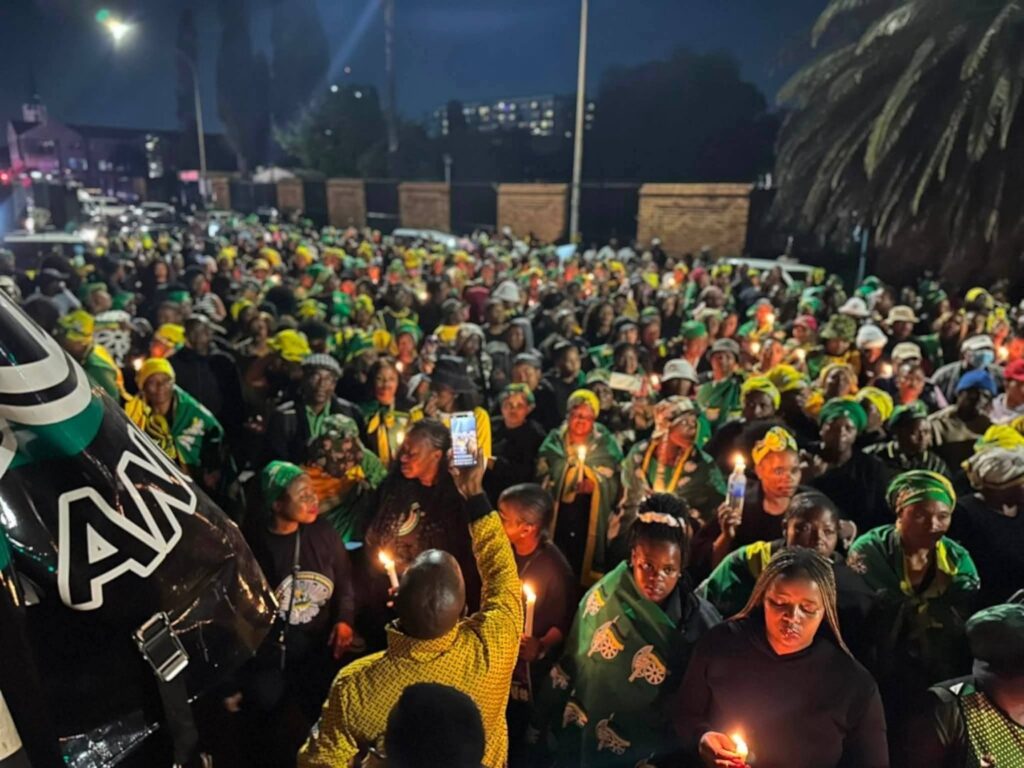
South Africa is grappling with a harrowing femicide crisis marked by the recent discovery of a ninth woman found dead in the Ekurhuleni region, east of Johannesburg. This tragic event has drawn attention to the ongoing violence targeting women in the area, sparking outrage and calls for urgent action. The South African Gender Commissioner has starkly described the situation as women being “hunted,” underscoring the severity and the escalating nature of the violence. The Ekurhuleni region has unfortunately become a focal point in the country’s broader struggle against gender-based violence (GBV).
The crisis has prompted government officials, community leaders, and advocacy groups to intensify their efforts to address the root causes of femicide, including systemic gender inequality, patriarchal attitudes, and inadequate law enforcement responses. Experts cite that the social and economic conditions, combined with lax enforcement of protective laws, contribute to the vulnerability of women. In this context, femicide, the gender-motivated killing of women, is not only a criminal issue but also a profound human rights concern.
The South African Police Service (SAPS) has reported various initiatives aimed at combating this crisis, including increased police visibility in high-risk communities, faster processing of GBV cases, and support services for survivors. Despite these steps, activists argue that the response remains insufficient and often too slow, calling for more stringent measures and better protection mechanisms.
Community organizations have stressed the need for comprehensive educational programs that challenge harmful gender norms and promote respect for women from an early age. They also advocate for stronger support networks for victims and their families, emphasizing psychological assistance and social services.
This spate of violence in Ekurhuleni reflects a national emergency demanding a multifaceted approach. The Gender Commissioner’s grave remarks symbolize the urgency for societal transformation, bringing to light the perils faced by women and the critical need to uphold their rights and safety.
International human rights organizations have also expressed solidarity with South Africa, urging global attention and assistance to combat femicide. The ongoing loss of life calls for renewed commitment from all sectors of society to dismantle the structures that perpetuate violence against women.
As South Africa confronts this crisis, the hope remains that through concerted efforts by government bodies, civil society, and the international community, meaningful progress can be achieved to protect women and eradicate femicide from the nation’s landscape.