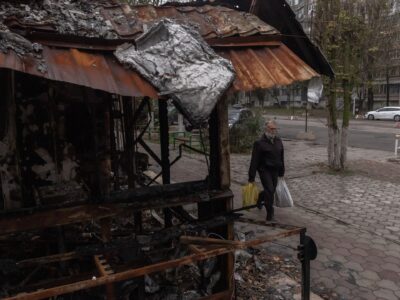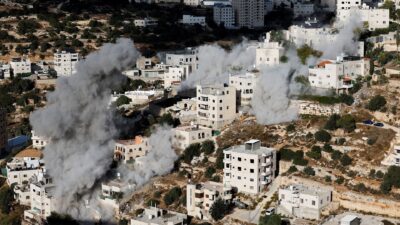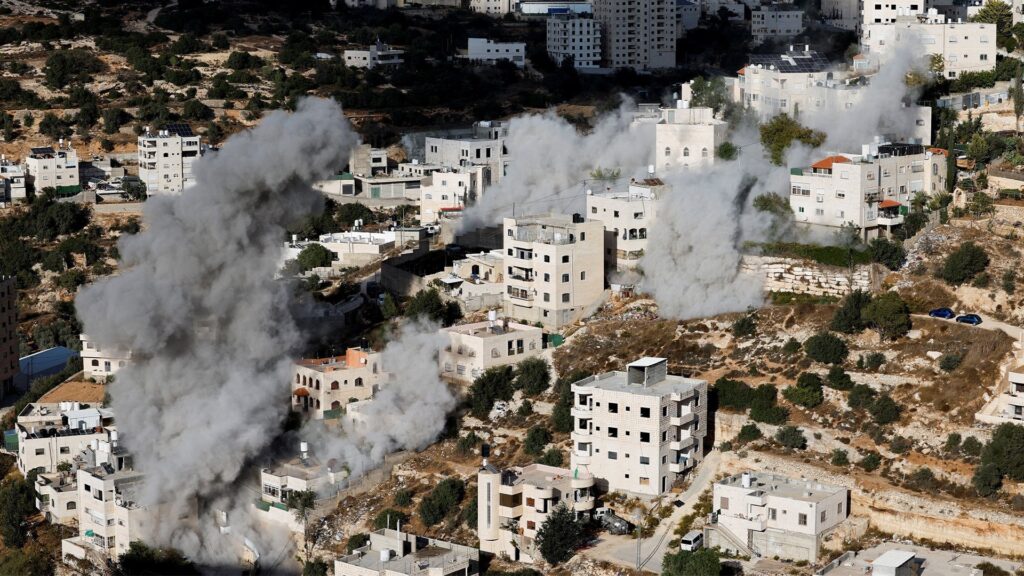
The city of Hebron in the West Bank is currently facing a severe humanitarian crisis as nearly 5,000 residents have been displaced amid an ongoing military siege by Israeli forces. The situation has escalated over the past weeks, with intensified military operations aimed at controlling and restricting movement within this historically significant city.
Hebron, a city of profound religious and cultural importance, has long been a focal point of tension between Israelis and Palestinians. The recent siege has led to widespread destruction of homes and infrastructure, prompting a mass displacement of the local population.
According to local officials and humanitarian organizations, the siege has severely limited access to essential services such as healthcare, food, and clean water. The displaced families are struggling to find shelter and basic necessities, exacerbating an already dire humanitarian situation.
The international community has expressed deep concern over the crisis unfolding in Hebron. Calls for an immediate cessation of hostilities and the lifting of restrictions have been made by several countries and human rights organizations. They emphasize the urgent need for dialogue and peaceful resolution to prevent further suffering of civilians.
Israeli authorities have stated that the military operations are aimed at ensuring security and combating militant activities believed to emanate from parts of Hebron. However, critics argue that the extensive siege and its impact on innocent civilians amount to collective punishment, violating international humanitarian law.
The United Nations and various aid agencies are currently attempting to provide assistance to those displaced, although access is hindered by ongoing military activity. The blockade has also disrupted economic activities, further deteriorating living conditions.
Local leaders and activists have called for increased international attention and intervention to protect the rights and lives of Hebron’s residents. They warn that continued displacement and deprivation could lead to long-term instability and set back efforts for peace in the region.
As the situation develops, the plight of the displaced residents of Hebron serves as a stark reminder of the broader challenges facing the Israeli-Palestinian conflict. The need for urgent humanitarian aid, accountability, and renewed peace negotiations remains paramount to halt further suffering and pave the way toward a sustainable resolution.