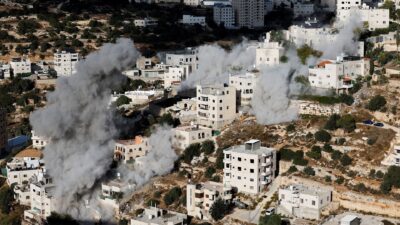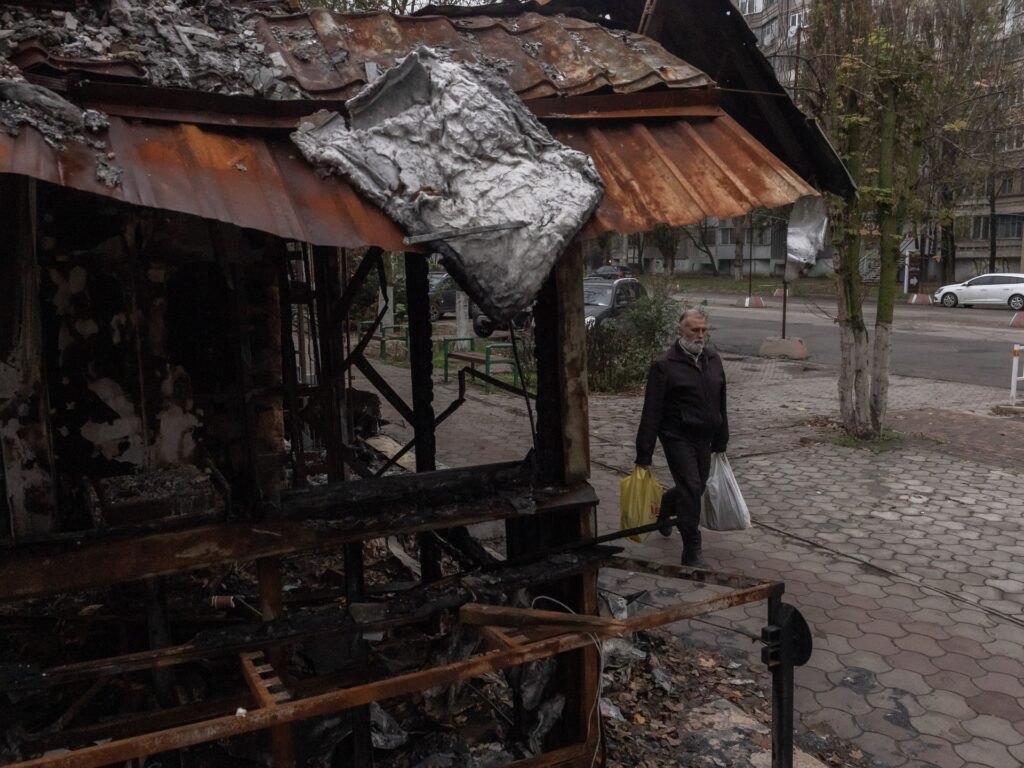
The Kherson region, a strategically significant area in southern Ukraine, is bracing for the return of active conflict following the expiration of a localized ceasefire between Russian and Ukrainian forces. This six-day truce, which was implemented to allow for humanitarian efforts and a temporary halt in fighting, officially ended with no reported violations in the region. However, the fragile peace did not extend beyond Kherson’s borders, as both Moscow and Kyiv continued to carry out military strikes in other parts of Ukraine.
During the ceasefire, residents of Kherson experienced a temporary respite from the violence that has marked the ongoing war since Russia’s invasion of Ukraine. The ceasefire allowed for limited humanitarian aid to reach civilians and provided a window for some evacuation efforts. Despite these brief moments of calm, the broader conflict persists and the local population remains anxious about the future.
The war between Russia and Ukraine, now in its second year, has seen fluctuating frontlines and significant casualties on both sides. Kherson, which witnessed intense fighting earlier in the conflict, is of particular importance due to its geographic location near the Black Sea and its proximity to Crimea, a region annexed by Russia in 2014. Control over Kherson has been contested, with both sides recognizing its strategic value.
The localized ceasefire was part of ongoing negotiations and efforts by international actors to reduce violence and facilitate dialogues for peace. While there have been intermittent pauses in fighting, including this latest truce, the overarching warfare has not ceased. Military experts warn that ending the ceasefire often signals the resumption of hostilities, raising concerns about potential escalations in the coming days.
Reports indicate that although the truce held in Kherson without any ceasefire violations, the wider conflict remains intense. Moscow and Kyiv continue their military campaigns in other regions, including heavy bombardments and counterattacks, underscoring that the overall war situation is far from resolution.
For civilians in Kherson, the return of conflict means renewed displacement, loss of homes, and disruption of basic services. Humanitarian organizations have called for sustained efforts to protect non-combatants and ensure access to emergency aid. International observers continue to monitor the situation closely, hoping to prevent further deterioration and to support potential peace initiatives.
As the local truce ends, the world watches anxiously whether this pause in Kherson might serve as a precursor to broader peace talks or simply a brief lull before intensified warfare resumes. The residents of Kherson, caught in the crossfire, hope for an end to the violence that has upended their lives and threatens the stability of the entire region.