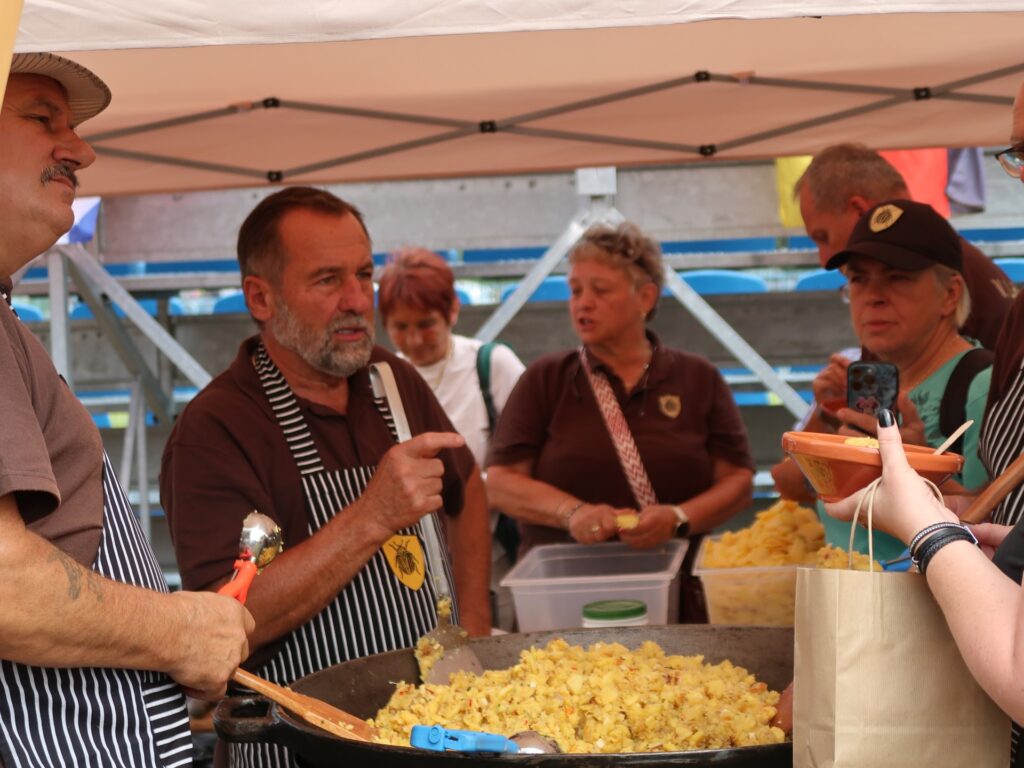
In northern Slovenia, the potato season has become a cause for concern and communal solidarity. Following a severe drought that has significantly reduced crop yields, hundreds of locals gathered to share roast potatoes, a gesture blending resilience with tradition. The event highlights the impact of climate irregularities on staple foods and the deep cultural ties communities have with their harvest.
The drought, which has persisted through the critical growing months, has left an unmistakable mark on potato fields across the region. Farmers report unprecedented low yields, which is not just a local issue but a reflection of a broader crisis affecting Europe’s potato production. Experts from a prominent think tank warn that “chips are down” for Europe’s potato industry, as weather extremes threaten the stability and supply of one of the continent’s most important crops.
Potatoes are a dietary cornerstone in Slovenia, revered not only for nutrition but also as a cultural symbol. The gathering to share roast potatoes served as both a celebration of what remains and a statement of worry for the future. Participants included farmers, local officials, and community members who discussed strategies for coping with changing climate patterns and the implications for food security.
The think tank’s report sheds light on how climate change is disrupting traditional farming cycles across Europe. Warmer temperatures, erratic rainfall, and prolonged dry spells are reducing the overall productivity of potato crops. This situation has economic repercussions, affecting farmers’ livelihoods and consumer prices.
In response, there is a growing call for adaptive farming techniques and government support to help agricultural communities withstand such environmental challenges. Innovations in irrigation, drought-resistant potato varieties, and changes in planting schedules are among the proposed measures.
The Slovenian community’s poignant gathering underscores the immediate need to address the environmental pressures facing agriculture. While roast potatoes shared at the event offered comfort and unity, the underlying message was clear: action is required to safeguard this beloved crop and the cultural heritage it supports.
Looking ahead, experts emphasize the importance of international cooperation in tackling climate-induced agricultural disruptions. Slovenia’s experience serves as a microcosm of the larger issue facing Europe and beyond — the need to balance tradition, sustainability, and resilience in the face of a changing climate. The drought has undeniably left its mark, but communities like those in northern Slovenia are also demonstrating the power of collective resolve and adaptation.