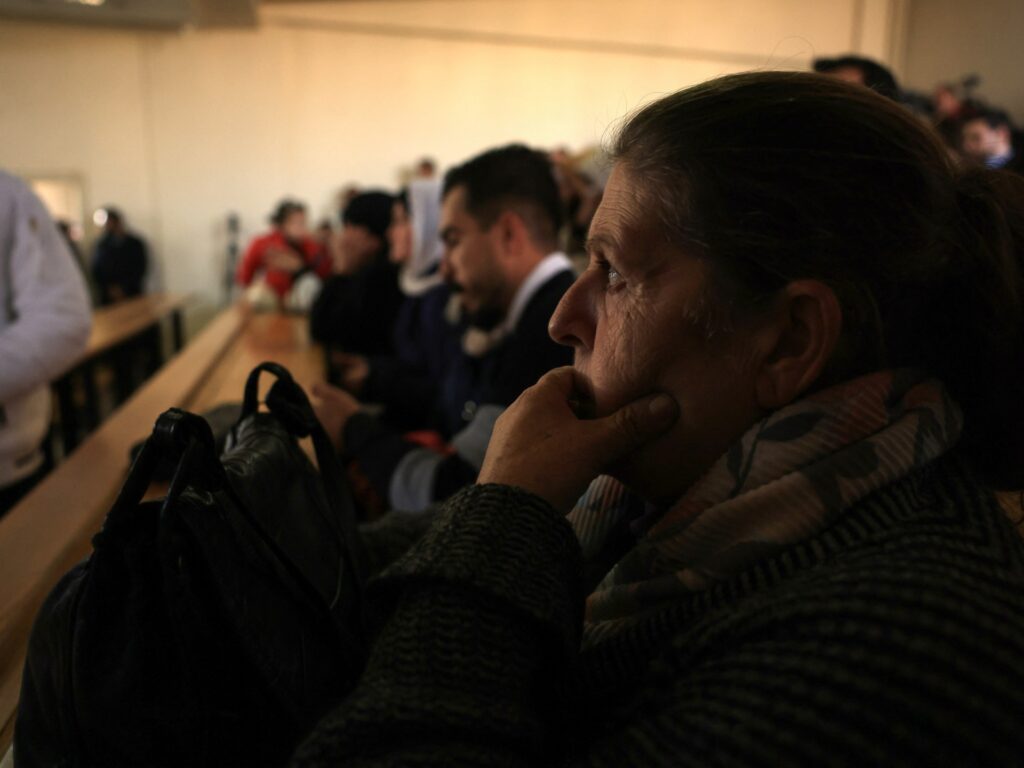
In a recent judicial proceeding in Syria, a court has handed down significant sentences to three individuals connected to violent incidents along the coastal region. This move is seen as part of the broader governmental effort to address unrest and maintain order in the country.
Among those sentenced is a former member of government forces who has received a 20-year prison sentence for his involvement in the coastal violence. His conviction reflects the judiciary’s stern stance on those who have allegedly contributed to instability and disorder in the area.
In addition to this, two supporters of President Bashar al-Assad have been handed the most severe penalties: one has been sentenced to death, and the other to life imprisonment. These sentences underscore the severity with which the Syrian legal system is treating cases linked to violence perceived as threatening to the state’s authority.
The court proceedings brought to light a variety of charges, including participation in violent acts and undermining national security. These events have been part of a series of disturbances that have affected the Syrian coastal region, a key area known for its strategic and economic importance.
This case draws attention to the complexities and ongoing challenges in Syria’s internal security landscape. The harsh sentences may be aimed at deterring further acts of violence and signaling the government’s resolve in addressing dissent and maintaining public order.
Human rights organizations and international observers have closely monitored such trials, often expressing concern about the fairness and transparency of judicial processes in conflict-affected regions. However, Syrian authorities maintain that these actions are necessary to preserve national stability and sovereignty.
The sentencing marks a significant development in how Syria confronts internal conflict and violence, especially in regions pivotal to the country’s stability. It reflects the government’s approach to balancing punitive measures with the broader goal of restoring and maintaining peace within its borders.
As the situation continues to evolve, these sentences will likely influence the dynamics within Syria, potentially impacting both local communities and the broader geopolitical context involving Syria and its neighbors.
The Syrian court’s decision forms part of the larger narrative of the country’s ongoing efforts to navigate complex security and political challenges amidst a protracted conflict that has drawn global attention for over a decade.