Renewed fighting between rebels from northern Tigray and the government in Addis Ababa has shattered the fragile peace established by the 2022 peace deal, leading to serious humanitarian and health crises. According to the World Health Organization (WHO), the renewed violence is driving the health system in Northern Ethiopia towards collapse.
The conflict has escalated sharply in recent weeks, reversing years of progress made after the peace agreement. Hospitals and clinics have been overwhelmed by casualties and shortages of medicine and medical supplies, while healthcare workers face dangerous conditions and limited access to affected regions.
WHO officials warn that the health infrastructure, already fragile before the resurgence of violence, is now teetering on the brink of failure. The agency stresses that urgent interventions are necessary to prevent widespread health emergencies, including outbreaks of preventable diseases, malnutrition, and maternal and child health crises.
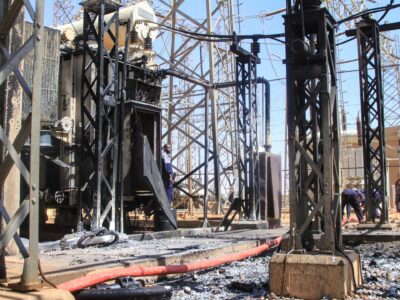
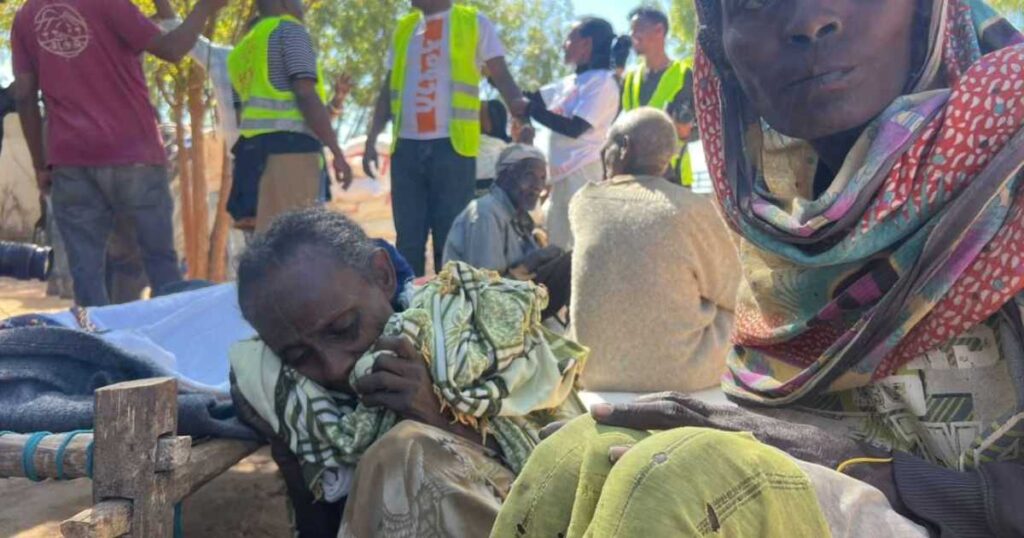
Northern Ethiopia’s health system, which serves millions of people, has been severely disrupted. The conflict has led to displacement of populations, making access to healthcare even more challenging. Key medical facilities have been damaged or destroyed, while supply chains for vital medicines and equipment have been cut off.
The resumption of conflict has not only reversed the gains made since the 2022 peace deal but also deepened humanitarian needs. The WHO has called on all parties involved in the conflict to prioritize the protection of health services and ensure unhindered access for humanitarian aid.
International organizations and local agencies are working under difficult circumstances to provide emergency healthcare, but the scale of need far outstrips the available resources. The health crisis cannot be separated from the wider political and security situation, which complicates efforts to implement a sustainable peace and recovery strategy.
WHO’s report highlights the urgent need for a ceasefire and renewed dialogue to enable the restoration of health services and the delivery of essential humanitarian assistance. Without immediate action, the collapse of the health system will exacerbate the suffering of millions of Ethiopians in the northern regions.
The situation underscores the broader consequences of protracted conflict on civilian populations, particularly the toll on vulnerable groups such as children, pregnant women, and the elderly. The international community has been urged to increase support for humanitarian operations and to promote sustained peace efforts.
In summary, the renewed violence in northern Ethiopia following the breakdown of the 2022 peace deal is pushing the region’s health system toward collapse. WHO’s warnings provide a stark reminder of the critical link between peace and health, emphasizing the urgent need for comprehensive and coordinated action to address the escalating crisis.