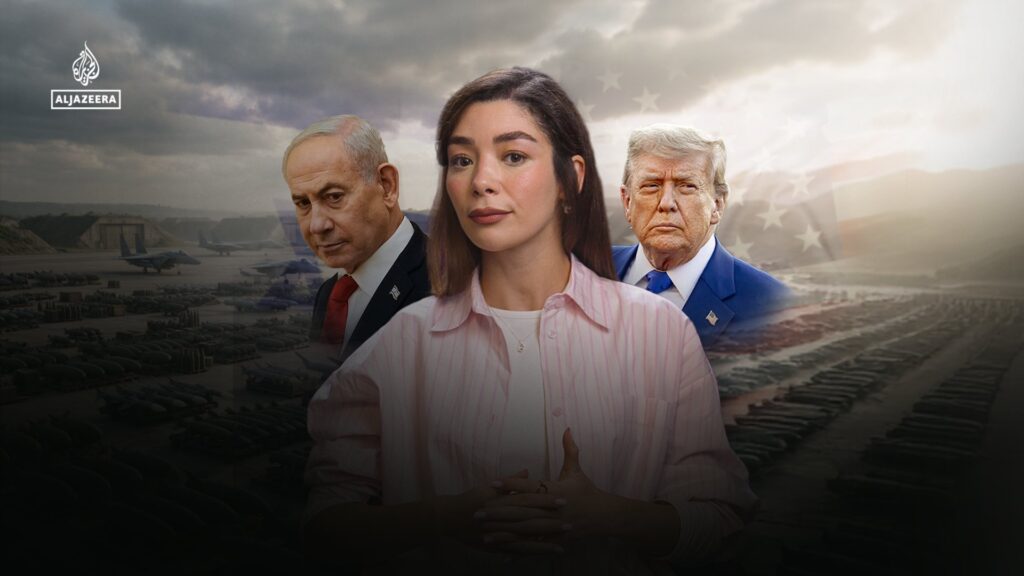
In a significant development amidst ongoing regional tensions, the United States has announced its decision to send $2.8 billion worth of weapons to Israel. This substantial military aid package underscores the growing security concerns and the strategic partnership between the two nations as conflict escalates in the region.
The arms shipment comes at a time when violence has intensified, with tragic incidents reported in civilian areas. Among the casualties is a 15-year-old boy who was killed in a double-tap strike. The young teenager lost his life while heroically attempting to save a paramedic who had been targeted in the attack. This heartbreaking event has drawn international attention to the severe impact of the conflict on innocent lives.
Experts suggest that the infusion of American weaponry aims to bolster Israel’s defense capabilities in its ongoing operations. However, the increased military presence also raises concerns about the potential for further escalation and the humanitarian toll on civilians caught in the crossfire.
Human rights organizations have called for a ceasefire and urged all parties to seek peaceful solutions to prevent more casualties. The targeting of medical personnel and responders has been widely condemned as a violation of international law.
The U.S. government’s move signals a firm stance in supporting Israel’s right to defend itself, but it also places the spotlight on the need for diplomatic efforts to resolve the conflict. The international community is closely watching how this latest military aid will influence the situation on the ground.
As tensions remain high, the tragic death of the young boy serves as a sobering reminder of the cost of war, especially on the children and families living in these volatile regions. Calls for humanitarian assistance and protection of non-combatants continue to grow louder.
This latest chapter in the Israel conflict highlights the complex and often heartbreaking realities faced by those in the line of fire. The delivery of $2.8 billion worth of weapons from the US could shape the coming weeks, potentially affecting the dynamics of the conflict and the prospects for peace.
The unfolding events emphasize the urgent need for dialogue, restraint, and a renewed commitment to safeguarding human lives amid geopolitical struggles. As the situation develops, the world watches with hope for a de-escalation and a return to negotiations that prioritize the well-being of all affected populations.