South Africa has strongly condemned the United States’ planned sanctions concerning alleged racial discrimination. The accusations, primarily targeting policies affecting white Afrikaners, stem from claims presented by what South African officials describe as ‘fringe groups.’ These groups allege systemic discrimination against white Afrikaners, a claim the Trump administration reportedly accepted as part of its justification for the sanctions.
The South African government argues that the sanctions are based on misinformation and misrepresentations of the country’s complex social and political landscape. They warn that these punitive measures risk exacerbating tensions and undermining ongoing efforts towards national unity and reconciliation. Moreover, officials emphasize that the planned sanctions could harm diplomatic relations and economic ties between the two countries.
The controversy centers around land reform policies and changes to ownership rights, which are part of South Africa’s broader efforts to redress historical inequalities stemming from apartheid. Critics in the US claim these policies disproportionately affect the white Afrikaner minority, alleging systemic racism, while South African authorities stress that the reforms aim for equitable redistribution and justice.
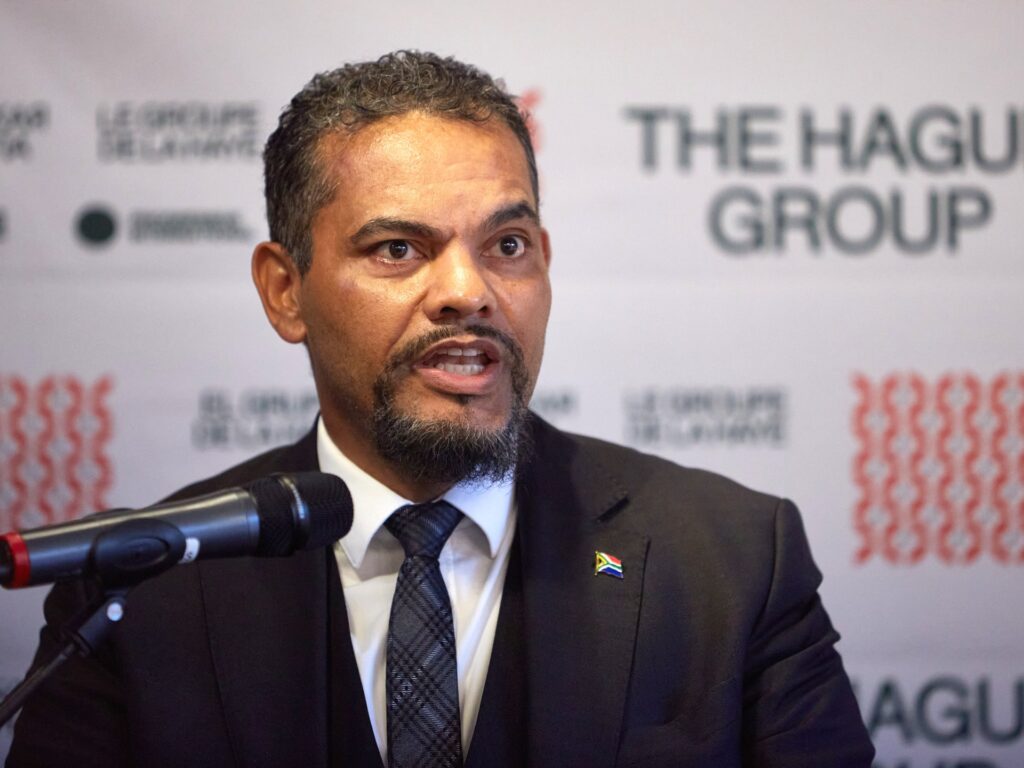
South Africa’s minister responsible for international relations publicly criticized the Trump administration’s readiness to rely on the narratives of these fringe organizations without thorough investigation. The minister stated that such an approach overlooks the nuanced realities on the ground and the progress made since apartheid’s end.
Observers suggest that the situation highlights the challenges of international intervention in domestic policy issues, particularly when these involve sensitive racial and historical questions. The South African government calls for respectful and constructive dialogue as a more appropriate way to address concerns rather than punitive sanctions.
This incident underscores the ongoing complexity of post-apartheid South Africa’s path toward equality and reconciliation and reflects the difficulties in balancing international human rights concerns with national sovereignty. The US sanctions plan, if enacted, could have significant political and economic repercussions, potentially influencing South Africa’s international stance and internal stability.
In summary, South Africa’s strong condemnation of the US planned sanctions illustrates the deepening diplomatic rift over perceived racial discrimination issues. The situation serves as a reminder of the delicate balance between addressing past injustices and crafting inclusive policies for the future. Both nations face the challenge of resolving their differences through mutual understanding and cooperation rather than through measures that may deepen divisions.