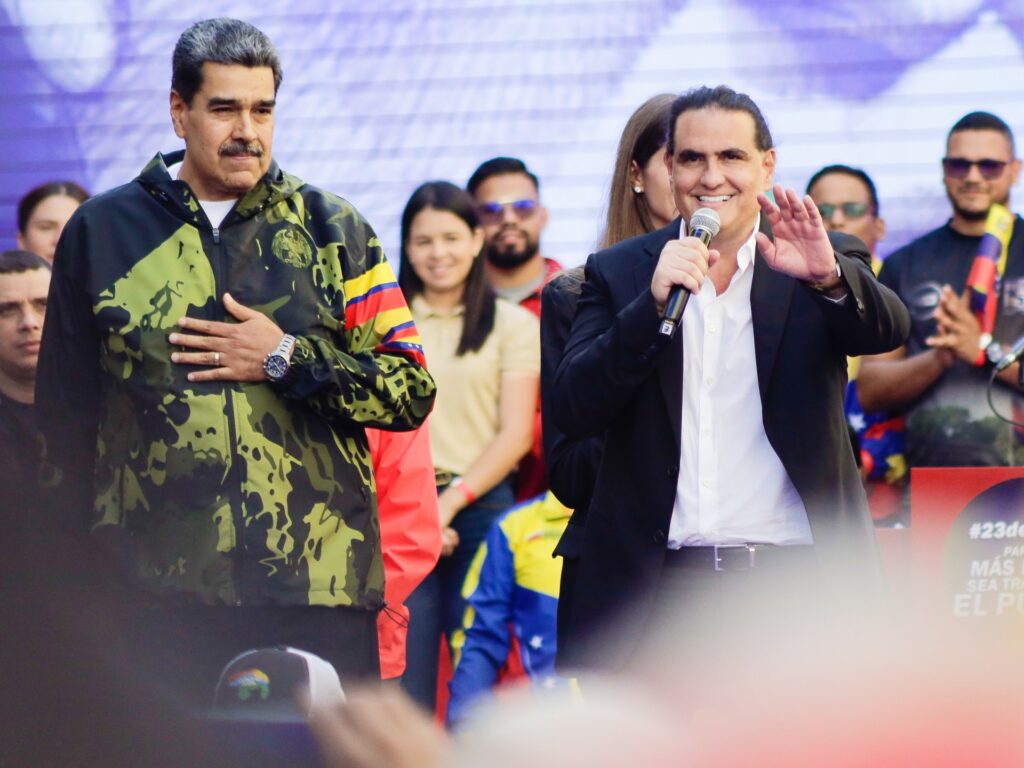
Alex Saab, previously an ally of Venezuela’s President Nicolás Maduro, has pleaded guilty in a US court to charges of money laundering and fraud. The charges are linked to illicit activities involving Venezuela’s welfare program, marking a significant development in the ongoing scrutiny of corruption within the country’s government.
Saab was accused of laundering bribes and proceeds obtained through fraudulent schemes associated with the Venezuelan government’s administration of social welfare initiatives. These programs, intended to assist the nation’s vulnerable populations, have been marred by allegations of widespread corruption and mismanagement.
According to prosecutors, Saab used a complex network of financial transactions to conceal the origin of funds derived from bribery and fraudulent contracts connected to Venezuela’s welfare efforts. The US legal proceedings highlight the international dimension of these corrupt practices and the active role played by individuals close to Maduro’s administration.
The guilty plea by Saab marks a significant turn, potentially opening pathways for further investigations into corruption within Venezuela’s leadership and the broader mechanisms they allegedly employed to siphon public resources. This case underscores the difficulties faced by the Venezuelan populace, who continue to grapple with economic hardship amid misappropriation of funds meant for social programs.
While Saab’s cooperation with US authorities was confirmed during his court appearance, the implications of his plea could extend beyond his individual case. It may have ramifications for other implicated parties and foster greater transparency in addressing corruption-related offenses.
The Maduro government has consistently denied allegations of wrongdoing, dismissing accusations as politically motivated attacks. However, international legal actions against figures like Saab reflect sustained efforts by the US government and its allies to hold accountable those responsible for exploiting Venezuelan resources.
This development also sends a message to other actors involved in corrupt schemes across Latin America. The guilty plea exemplifies the growing cooperation among jurisdictions in combatting money laundering and fraud schemes that undermine governance and development.
As the case progresses, further revelations may emerge, potentially deepening understanding of the extent and mechanisms of corruption within the Venezuelan welfare system and providing legal authorities with evidence to pursue additional prosecutions.
The consequences of Saab’s plea highlight the critical importance of oversight and accountability in managing public welfare programs, especially in nations facing economic and political challenges. Enhanced vigilance against corruption remains essential to ensure aid reaches intended beneficiaries and public trust is restored in such systems.
The case has drawn attention from international human rights and anti-corruption advocates, who emphasize the detrimental impact of corruption on vulnerable communities and the urgent need for institutional reforms.
In conclusion, Alex Saab’s guilty plea to money laundering and fraud charges marks a pivotal moment in the fight against corruption linked to Venezuela’s welfare program. This case not only holds an individual accountable but also sheds light on systemic issues within Venezuelan governance, reinforcing global commitments to justice and transparency.