The Trump administration has announced plans to proceed with a significant arms deal, proposing the sale of 2,000-pound bombs to Israel valued at approximately $2.8 billion. This move represents a major reinforcement in U.S.-Israel military cooperation and signals continued American support for Israel amid ongoing regional conflicts.
The proposed sale includes precision-guided munitions designed to enhance Israel’s military capabilities, particularly in its operations against hostile forces. These heavy bombs have greater destructive capacity and are intended to serve as a strategic asset in complex combat scenarios.
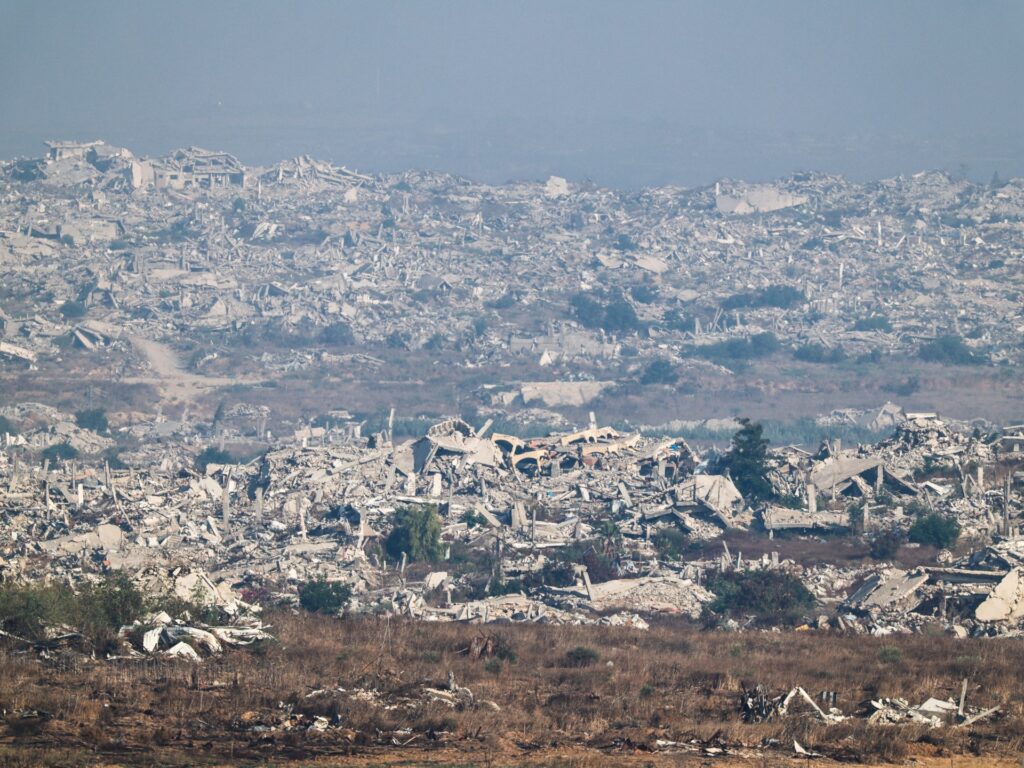
However, this decision has sparked intense criticism both domestically within the United States and internationally. Critics argue that the sale could exacerbate the humanitarian crisis in the region, particularly given recent events where mass targeting of civilian populations has been reported.
Human rights organizations and several political figures have expressed concern that the transfer of such powerful weapons could lead to further civilian casualties and destabilize attempts at achieving peace in the Middle East. They emphasize the need for restraint and caution in arms sales, especially in volatile areas.
Supporters of the deal argue that the sale is essential for Israel’s defense and deters hostile actions from neighboring groups and countries. The Trump administration maintains that bolstering Israel’s military strength is crucial for maintaining regional security and protecting American interests.
The planned $2.8 billion transaction involves not only the bombs themselves but also logistical support, training, and maintenance services to ensure the effective deployment of the munitions. This comprehensive package underscores the strategic partnership between the two nations.
The deal comes at a time when tensions in the Israel-Palestine conflict remain high, with recent escalations leading to numerous casualties and mounting international concern. The international community continues to call for a ceasefire and renewed negotiations toward a lasting peace agreement.
The U.S. Congress is expected to debate the sale, with lawmakers divided over the implications for regional stability and human rights considerations. Some members advocate for additional conditions or oversight to minimize the potential for misuse of the bombs in civilian areas.
In summary, the Trump administration’s push to sell 2,000-pound bombs worth $2.8 billion to Israel is a significant development in U.S. foreign policy and defense strategy. While it strengthens Israel’s military capabilities, the sale also raises complex ethical and geopolitical questions amid a deeply fragile regional situation.
As the debate continues, the world watches closely for the impact of this arms deal on the broader efforts to achieve peace and security in the Middle East, underscoring the delicate balance between national defense and humanitarian responsibility.