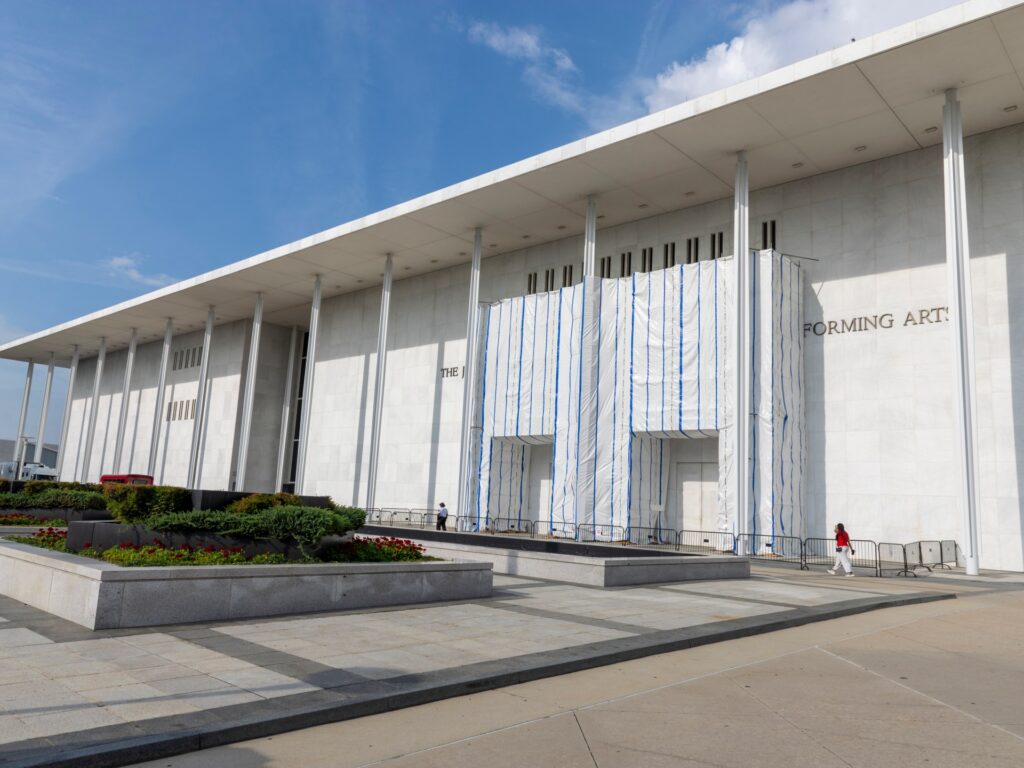
The board of the Kennedy Center in Washington, DC, has made the significant decision to shutter the historic building. This move marks a pivotal moment for the institution, known for being a premier venue for the performing arts.
The decision stems from a contentious dispute involving the president, who has stipulated that renovations will not proceed unless his name is added to the building. This condition has sparked widespread debate and concern within the community and among stakeholders.
Renovations had been planned to preserve and modernize the Kennedy Center, ensuring its place as a cultural landmark for years to come. However, the president’s insistence on name recognition as a precondition for these improvements has complicated the project’s future.
Many view the president’s demands as a politicization of an institution intended to be a cultural and artistic haven. Critics argue that adding a political figure’s name could detract from the Kennedy Center’s identity and legacy.
The board’s vote to shutter the building reflects the stalemate that has arisen from these conflicting interests. Without the renovations moving forward, the center faces challenges in maintaining its infrastructure and continuing its operations effectively.
Community leaders and arts advocates have expressed disappointment over the situation, emphasizing the importance of keeping the Kennedy Center accessible and operational for public benefit.
The controversy highlights broader discussions about the role of political influence in cultural institutions and the complexities surrounding naming rights in public spaces.
As the Kennedy Center board navigates these challenges, there is hope for a resolution that preserves the legacy and function of this historic venue without compromising its independence and artistic mission.
The future of the Kennedy Center remains uncertain, with decisions yet to be made about how to balance renovation needs, naming disputes, and the institution’s core values. The board and stakeholders will need to collaborate closely to find a path forward that respects both the center’s heritage and its role in the community.