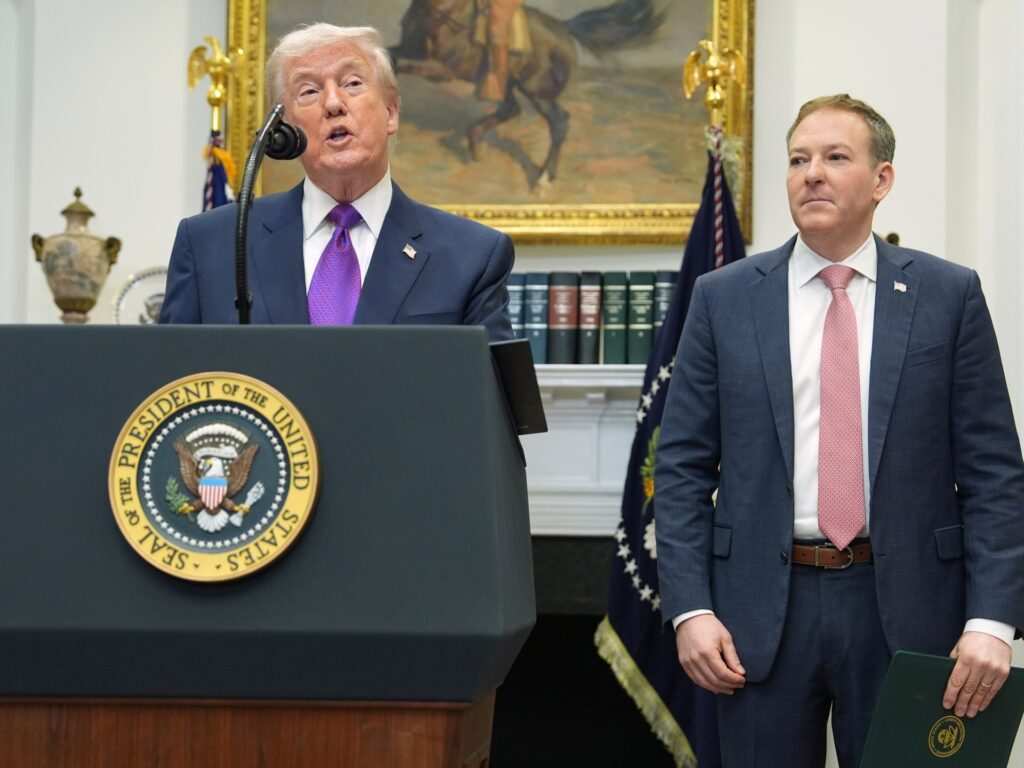
The United States, under the Trump administration, has taken a controversial step by repealing regulations that limited greenhouse gas emissions from power plants. This move is seen as an effort to reduce government restrictions on the energy industry and stimulate economic growth within the sector. The administration claims that the repeal could save power plants more than $300 billion, a figure that highlights the purported economic benefits of deregulation.
Supporters of the repeal argue that it will ‘unleash’ American energy potential, making power generation more affordable and reliable. They believe that by removing these environmental constraints, power plants can operate with fewer limitations, thereby boosting energy production, encouraging investment, and ultimately lowering energy costs for consumers.
However, the decision has faced substantial criticism from environmental groups and many scientists who warn that rolling back these regulations could lead to increased emissions of greenhouse gases, exacerbating climate change. The rules previously set limits on carbon dioxide emissions, a major contributor to global warming, and were part of broader efforts to transition towards cleaner, renewable energy sources.
The regulation was originally introduced during the Obama administration as part of the Clean Power Plan, which aimed to cut carbon emissions and promote sustainable energy. The Trump administration’s repeal reflects a shift in policy focus, prioritizing economic growth and energy independence over environmental concerns.
Critics are concerned that this repeal could hinder progress in the fight against climate change, potentially leading to greater environmental degradation and public health issues linked to pollution. Many worry that the move may also impact the United States’ international standing and its ability to meet global climate commitments.
Despite the controversy, the administration asserts that the repeal will foster innovation by allowing the market to determine energy solutions rather than government mandates. They predict that advancements in technology and market forces will continue to reduce emissions over time without the need for strict regulations.
This decision marks a significant shift in U.S. environmental policy, reflecting broader debates about the balance between economic development and environmental protection. It highlights the ongoing tension between energy interests and climate action efforts, a conversation that will likely continue to shape policy decisions in the years ahead.
Observers will be watching closely to see how this repeal affects emissions, energy markets, and climate-related policies moving forward. The long-term impacts remain uncertain, underscoring the complex challenges of managing environmental issues in the context of economic priorities.