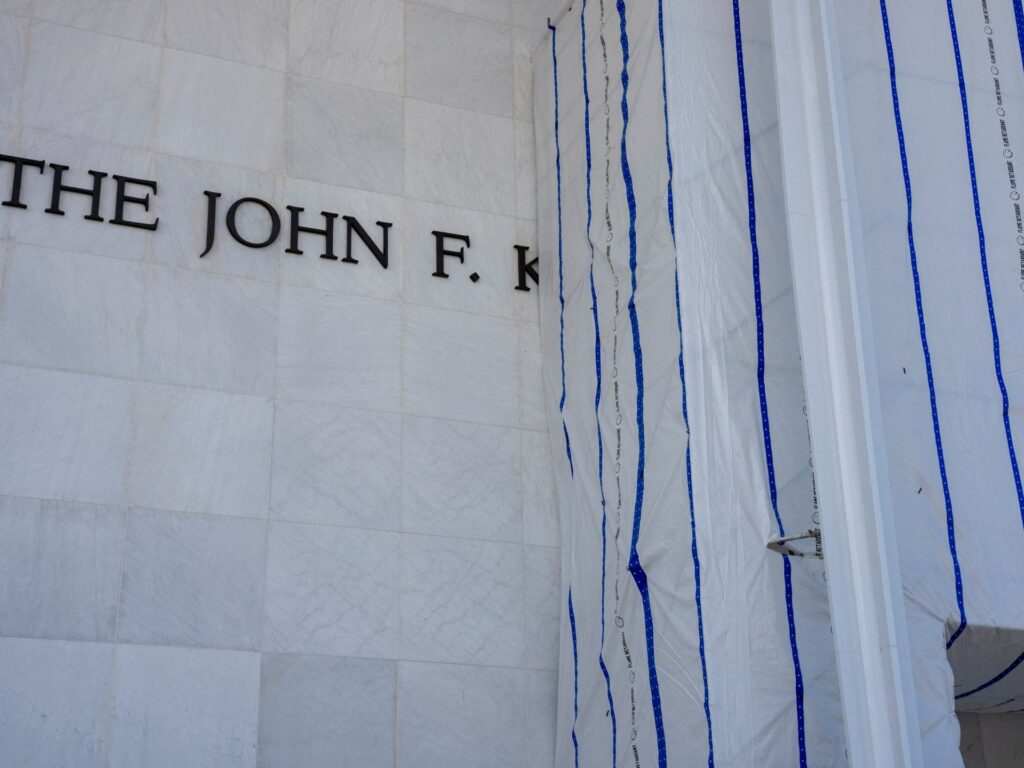
The United States Kennedy Center, a prestigious cultural landmark in Washington, D.C., is reportedly facing bankruptcy. According to a report by the Washington Post, the center’s financial challenges have escalated to the point where the board of trustees has recommended that the main building be closed immediately to mitigate mounting costs.
This development has sent shockwaves through the arts and cultural community, as the Kennedy Center has long been a symbol of artistic excellence and a hub for performances, education, and cultural diplomacy. The center hosts a wide variety of events, including classical and contemporary music concerts, theater productions, dance performances, and ceremonies honoring exceptional contributions to the arts.
Financial difficulties in recent years, compounded by the COVID-19 pandemic which severely limited live performances and visitation, have significantly reduced the Kennedy Center’s revenue streams. Despite various fundraising efforts and governmental support, the institution has struggled to cover operational expenses.
The board’s recommendation to shutter the main building immediately underscores the severity of the crisis. Closing this central venue, which serves as the flagship location for most of the center’s activities, would be an unprecedented step, disrupting scheduled programs and affecting thousands of artists, staff, and visitors.
The Kennedy Center’s leadership has expressed deep concern over the situation, emphasizing the center’s critical role in American cultural life and its long history since its establishment in 1971 by an act of Congress. The center is also the president’s official venue for national cultural events and state visits.
Supporters and stakeholders across the nation have responded with calls for emergency funding and innovative solutions to sustain the institution. Many fear that without immediate intervention and restructuring, the center could face permanent closure, leading to a significant loss for the nation’s cultural heritage.
The Kennedy Center is exploring options to increase revenue, including digital programming, partnerships, and cost-saving measures. However, the financial gap remains substantial, and time is critical.
This crisis points to broader challenges facing arts institutions nationwide, highlighting the impact of economic downturns and changing cultural consumption patterns. The Kennedy Center’s situation may serve as a cautionary tale and a call to action for increased public and private support for the arts.
As the situation develops, stakeholders hope for a swift resolution to keep the Kennedy Center open and continuing its mission to enrich lives through the arts for generations to come.