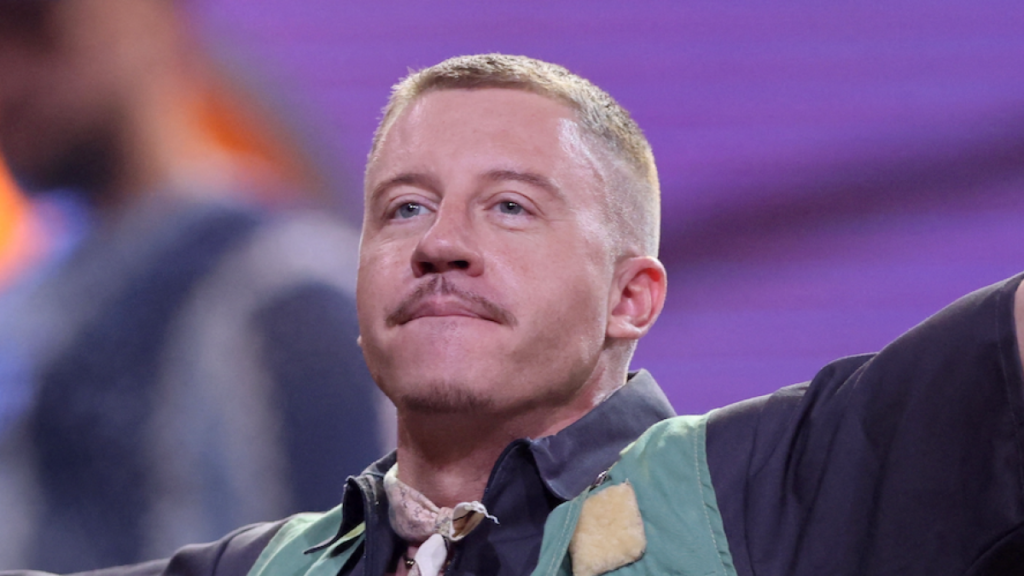
In a recent development that has sparked conversations across the music and political spheres, rapper Macklemore revealed that he was removed from Ed Sheeran’s US tour due to his public support for the Palestinian cause. This move has raised questions about the intersection of artistry and activism, and the repercussions artists face when expressing controversial political views.
Macklemore, known for his socially conscious lyrics and advocacy on various issues, confirmed that his outspoken stance on the Israeli-Palestinian conflict led to his dismissal from the tour. He expressed disappointment but remained steadfast in his belief that artists should use their platforms to highlight social justice matters.
Ed Sheeran, whose tour has attracted massive audiences across the United States, has not publicly commented on the reasons behind the decision to drop Macklemore. However, insiders suggest that the controversy stirred concerns about potential backlash and the commercial implications of associating with a politically charged figure.
The Israeli-Palestinian conflict remains one of the most sensitive and divisive issues in global politics, and public figures taking a stand often face intense scrutiny. Macklemore’s support for Palestine aligns with a broader movement in the entertainment industry where artists increasingly lend their voices to human rights issues, despite the risks of alienating parts of their audience or industry peers.
Fans of Macklemore have expressed mixed reactions. While many appreciate his courage to speak out, others question if political activism should impact professional relationships and tour lineups. This incident has ignited a debate about freedom of expression in the arts and the cost of controversial opinions in a commercial entertainment environment.
Historically, musicians have employed their influence to challenge political norms, from protest songs in the civil rights era to contemporary calls for global justice. Macklemore’s experience underscores the ongoing tension between artistic freedom and the business realities faced by artists and promoters.
As this story unfolds, it adds to the ongoing discussion about the responsibilities and consequences artists encounter when their activism intersects with their careers. Macklemore’s case serves as a potent example of how political beliefs can impact professional opportunities, highlighting the delicate balance between personal conviction and public acceptance in the music industry.