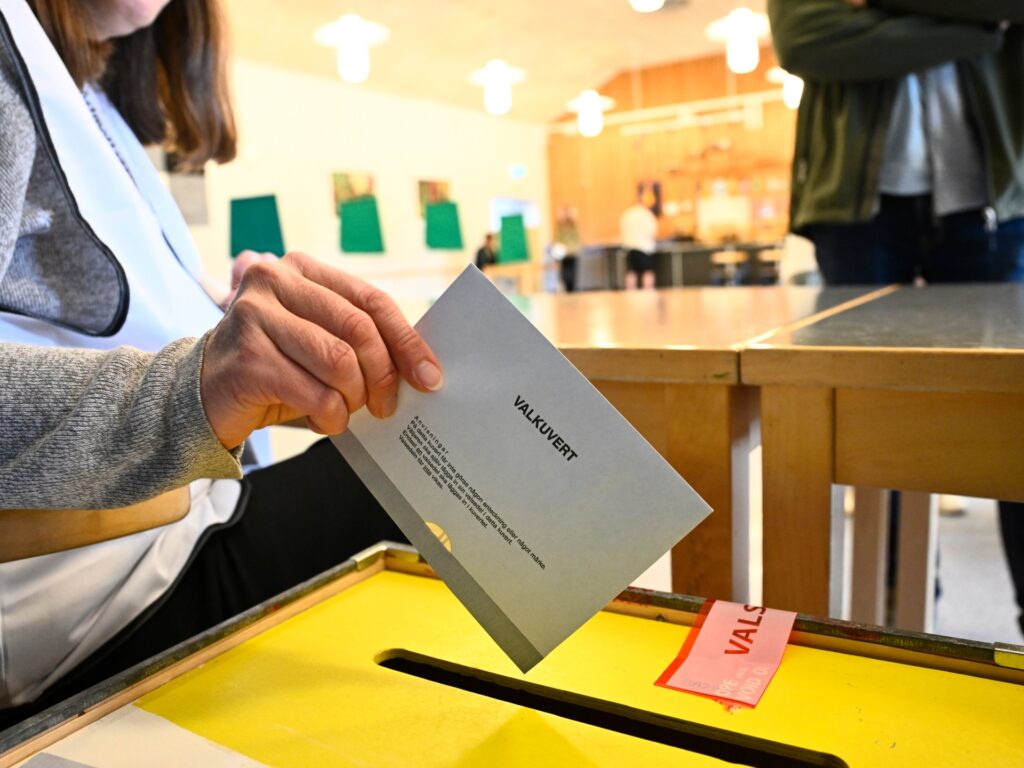
Sweden is currently holding its parliamentary elections, with significant attention focused on the potential for the far-right Sweden Democrats party to enter government for the first time. This historic election could reshape the political landscape of the country if the right-wing bloc, including the Sweden Democrats, secures a majority.
The election, which reflects deep political divisions within Swedish society, has seen increased voter turnout as citizens weigh the future direction of Sweden. Central issues influencing voters include immigration, economic policy, and public services, with the Sweden Democrats advocating for stricter immigration controls and conservative economic reforms.
The Sweden Democrats have steadily increased their support over recent years, capitalizing on concerns about immigration and national identity. Experts suggest that a successful bid for government entry would mark a significant shift, ending decades of political exclusion for the party and possibly influencing Sweden’s policies on immigration and social welfare.
Other parties in the right-wing bloc have aligned with the Sweden Democrats in an attempt to form a government, while the left-wing and centrist parties campaign on platforms emphasizing solidarity, inclusivity, and progressive economic policies.
International observers watch closely as the election outcome could influence policies not only within Sweden but across the European Union, especially regarding migration and regional security.
With results pending, citizens and political analysts alike anticipate the implications of either reinforcing the status quo or moving towards a government influenced by far-right policies. The election results will indicate whether Sweden continues on its current path or embarks on new political territory with the Sweden Democrats playing a pivotal role.