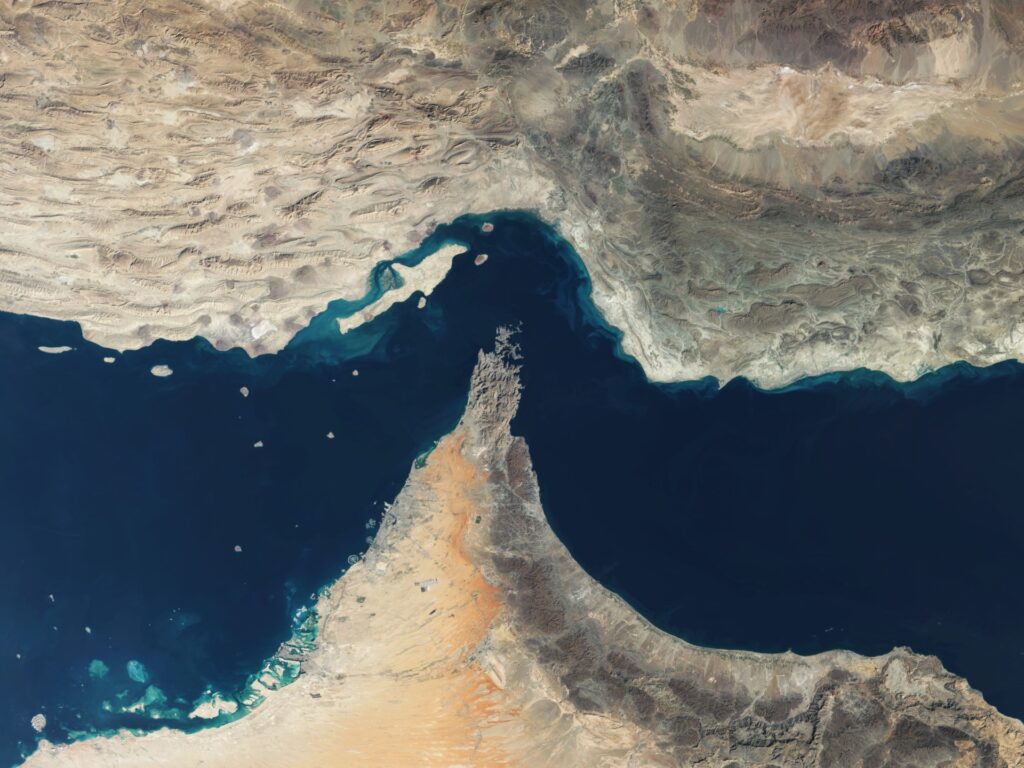
Bahrain has announced that it will not take part in a regional meeting proposed by Iran, aimed at discussing matters pertaining to the strategic Strait of Hormuz. The meeting, scheduled for Monday, was introduced by Iran as an initiative to promote diplomatic dialogue and foster improved relations among neighboring Gulf countries.
Iran conveyed to Al Jazeera that the upcoming gathering is intended as a manifestation of “good intentions” toward neighboring countries, signaling an effort to ease tensions and collaborate on issues of mutual concern in the region. The Strait of Hormuz holds significant geopolitical importance as a key maritime route for global oil transportation, making diplomatic engagements surrounding it critical for regional stability.
Despite Iran’s outreach, Bahrain has opted not to participate, reflecting ongoing complexities and cautious approaches among Gulf Cooperation Council (GCC) member states in their dealings with Iran. Bahrain’s decision underscores persistent wariness and differing perspectives on how to best manage relations and security in a region fraught with historical and emerging challenges.
Experts observe that while Iran seeks to portray the meeting as a positive step in regional diplomacy, Bahrain’s refusal highlights the delicate balance Gulf countries navigate between engaging with Tehran and ensuring their own security and political interests.
The proposed Hormuz meeting comes at a time when regional tensions have fluctuated due to various geopolitical incidents and disputes involving Iran and its neighbors. Such meetings are seen as potential platforms for dialogue to reduce risks of conflict and promote cooperation on maritime security, economic integration, and counterterrorism efforts.
However, Bahrain’s stance may influence other countries’ decisions about participation, posing questions about the effectiveness and inclusivity of the dialogue Iran aims to foster. Observers note that without broad Gulf Cooperation Council endorsement, the initiative’s impact may be limited.
This development adds to the complex tapestry of Middle Eastern diplomacy, where historical rivalries, sectarian divides, and external influences intermingle. As Gulf nations assess their strategic priorities, meetings like the one proposed by Iran could either serve as stepping stones toward greater engagement or highlight the challenges that continue to hinder unified regional approaches.
In conclusion, while Iran’s proposal for the Hormuz meeting represents an attempt at confidence-building and regional cooperation, Bahrain’s decision to abstain underscores enduring apprehensions and the intricate nature of Gulf diplomacy. Future discussions among Gulf states will likely continue to navigate between engagement and caution, reflecting the broader geopolitical dynamics of the Middle East.