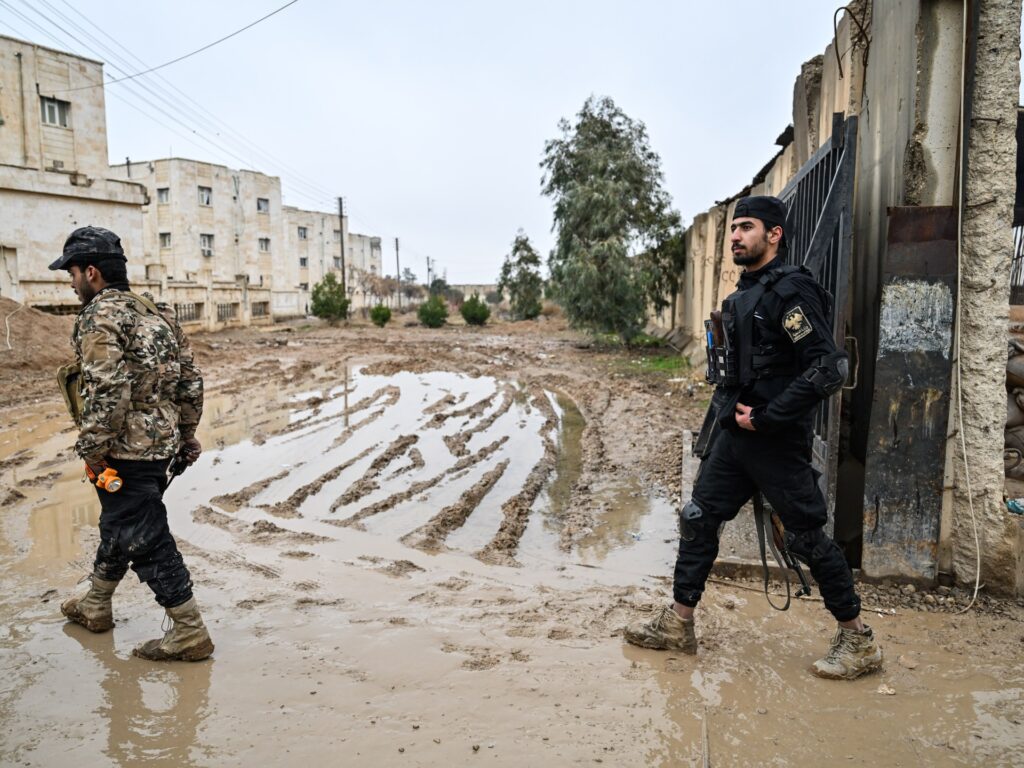
A tragic incident occurred in northern Syria where at least seven people were killed in a fire at a prison. The fire broke out following violent riots by inmates inside the facility. The unrest was triggered by protests in the city of Kobane, which escalated after the killing of a former Kurdish fighter. According to state media reports, the situation rapidly deteriorated, leading to chaos within the prison walls.
The unrest reflects the broader tensions in the region, where political and ethnic conflicts have been ongoing for years. Kobane, a city known for its significant Kurdish population, has been a focal point of resistance and conflict, especially concerning Kurdish fighters and their role in local and regional politics.
The catalyst for the protests was the killing of a former Kurdish fighter, a figure of considerable importance and respect within the community. This event sparked widespread outrage, leading to demonstrations and eventually spilling over into the prison, where inmates, many of whom may have sympathies or connections to the Kurdish cause, rioted.
Authorities have yet to provide a detailed account of how the fire started, but it is believed to be linked to the violence and chaos of the riots. Emergency services were dispatched to the prison in a swift response, but the flames caused significant damage, and the death toll rose quickly.
This incident highlights the ongoing volatility in northern Syria, particularly in areas with complex ethnic and political dynamics. Prisons in the region are often overcrowded and under-resourced, which exacerbates tensions among inmates and complicates efforts to maintain order.
The death of the former Kurdish fighter seems to have struck a deep chord within the community, not only affecting civilians protesting in the streets but also triggering unrest behind bars. This event serves as a grim reminder of the fragile security situation in northern Syria.
Human rights organizations have expressed concern about the conditions in Syrian prisons, noting that violence and unrest are common, and incidents like this can lead to severe human rights violations. Calls for thorough investigations and improved prison conditions are expected in the aftermath of the fire.
The Syrian government and Kurdish authorities have yet to release comprehensive statements about the incident. International observers are watching closely, as the situation in Kobane and surrounding regions remains a critical flashpoint in the broader Syrian conflict.
Efforts to stabilize the region continue, but incidents like this underscore the challenges faced in achieving lasting peace and security. The loss of life in this fire is a tragic development in an already complicated and tumultuous area, illustrating the human cost of ongoing conflicts in Syria.