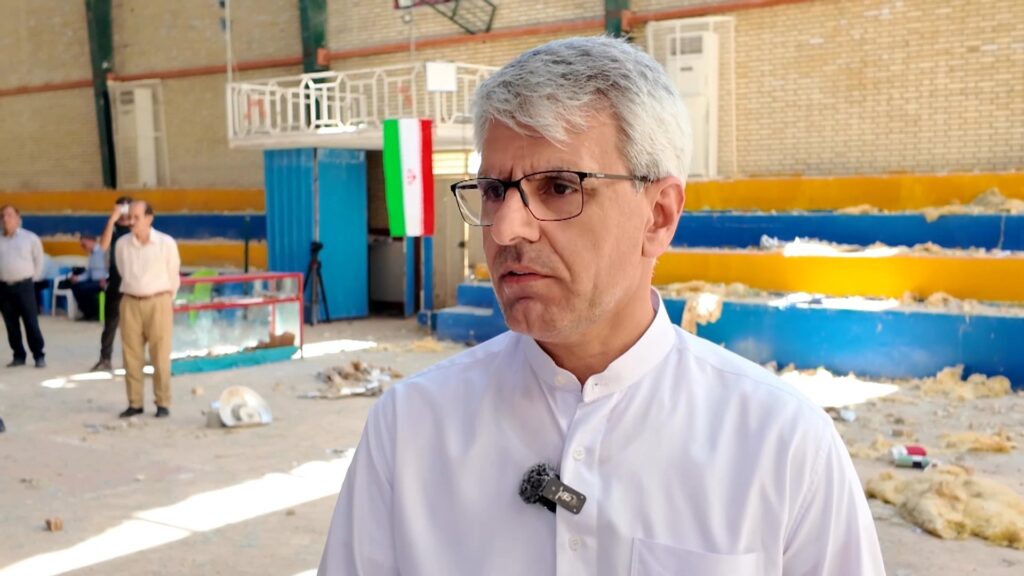
An Iranian official has stated in an interview with Al Jazeera that a recent ruling by the International Atomic Energy Agency (IAEA) concerning Tehran’s nuclear safeguards was imposed by the United States and Israel. The official expressed strong opposition to the resolution, describing it as influenced by geopolitical motives rather than grounded in the merits of Iran’s nuclear activities.
The controversy revolves around the IAEA resolution which scrutinizes Iran’s compliance with nuclear agreements and calls for stringent monitoring and sanctions if non-compliance is found. Iran has often emphasized that its nuclear program is peaceful and intended for energy and medical research purposes, consistent with its commitments under the Nuclear Non-Proliferation Treaty (NPT).
The Iranian official’s remarks highlight Tehran’s perception of the resolution as a tool used by adversarial countries to exert pressure and justify political and economic actions against Iran. According to the statement, the US and Israel have played significant roles in pushing the IAEA to adopt measures that limit Iranian sovereignty in its nuclear program.
This accusation is part of a broader context of longstanding tensions between Iran and Western countries, particularly the US, regarding nuclear development and regional security dynamics. Israel, viewing Iran’s nuclear ambitions as a direct threat, has consistently advocated for strict international measures to prevent Iran from developing potentially weaponizable nuclear capabilities.
The IAEA, while maintaining an independent mandate, has often been caught in the crossfire of international disputes. Its resolutions and reports can significantly impact diplomatic relations and the strategic calculations of involved nations.
Experts note that this situation underscores the complexity of nuclear diplomacy where political interests intersect with technical inspections and international law. The Iranian stance reflects a broader skepticism prevalent in some countries about the impartiality of international organizations influenced by powerful member states.
This development comes at a time when efforts to revive the 2015 Joint Comprehensive Plan of Action (JCPOA), commonly known as the Iran nuclear deal, have stalled. The deal aimed to curb Iran’s nuclear capabilities in exchange for relief from economic sanctions.
Following the US withdrawal from the JCPOA in 2018 and subsequent reimposition of sanctions, Iran has progressively reduced compliance, leading to increased scrutiny by the IAEA and international criticism.
The Iranian official’s comments may complicate ongoing negotiations and impact diplomatic initiatives aiming to reduce tensions and ensure nuclear non-proliferation in the Middle East.
As the international community watches closely, the IAEA’s role remains pivotal in balancing enforcement of nuclear safeguards with the sensitivities of national sovereignty and geopolitical rivalry. This statement from Iran represents a significant challenge to the agency’s perceived neutrality and highlights the persistent divisions among global powers regarding Iran’s nuclear ambitions.
Further developments are anticipated as diplomatic channels react and countries involved weigh their strategies in addressing the complex issue of Iran’s nuclear program and regional security concerns.