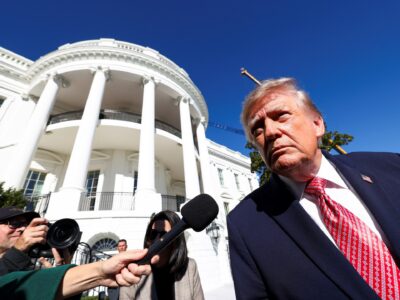
In a significant escalation of tensions between the United States and Iran, US authorities have reportedly administered polygraph tests to 50 members of the Joint Staff concerning leaks related to potential US military action against Iran. This move comes amidst heightened alerts and renewed threats from US President Donald Trump, who has reiterated warnings of an impending strike on Iran’s Pickaxe Mountain, indicating the possibility of an attack occurring “very soon.”
The polygraph tests are believed to be part of a confidential investigation aimed at identifying the source of critical leaks that have emerged regarding the US government’s plans and deliberations about military operations targeting Iran. Such leaks have the potential to compromise strategic operations and have raised significant concern within the US administration.
President Trump’s comments reflect a continued tough stance on Iran, a nation that has been a focal point of US foreign policy due to concerns over its nuclear program, regional influence, and ongoing conflicts. Pickaxe Mountain, although not widely known internationally, is believed to be a strategic location within Iran, possibly linked to military or nuclear facilities.
The escalating rhetoric and the internal security measures within the US military underscore the seriousness with which Washington is treating the situation. The prospect of a US strike on Iran raises the stakes in an already volatile region, with significant implications for global security and stability.
Diplomatic efforts have fluctuated over the past years, but recent developments suggest a shift towards a more confrontational approach. The international community watches closely as the US prepares, reportedly in heightened readiness, for possible military action.
Analysts highlight that the use of polygraph tests represents an unusual step, reflecting the sensitivity and urgency of the matter. Leaks from within the Joint Staff could stem from dissenting opinions, concerns about the legality of action, or attempts to alert allies and adversaries alike.
Iran has repeatedly condemned US threats and warned of severe consequences in the event of an attack. The Iranian government has also called for international intervention to prevent a military conflict.
The situation remains fluid, with the US military on elevated alert status and intelligence agencies continuing to monitor developments closely. The coming days could prove critical in shaping the trajectory of US-Iran relations and the broader geopolitical landscape in the Middle East.
This unfolding scenario highlights the complexities of modern conflict management, intelligence security, and the delicate balance of power in one of the world’s most sensitive regions.