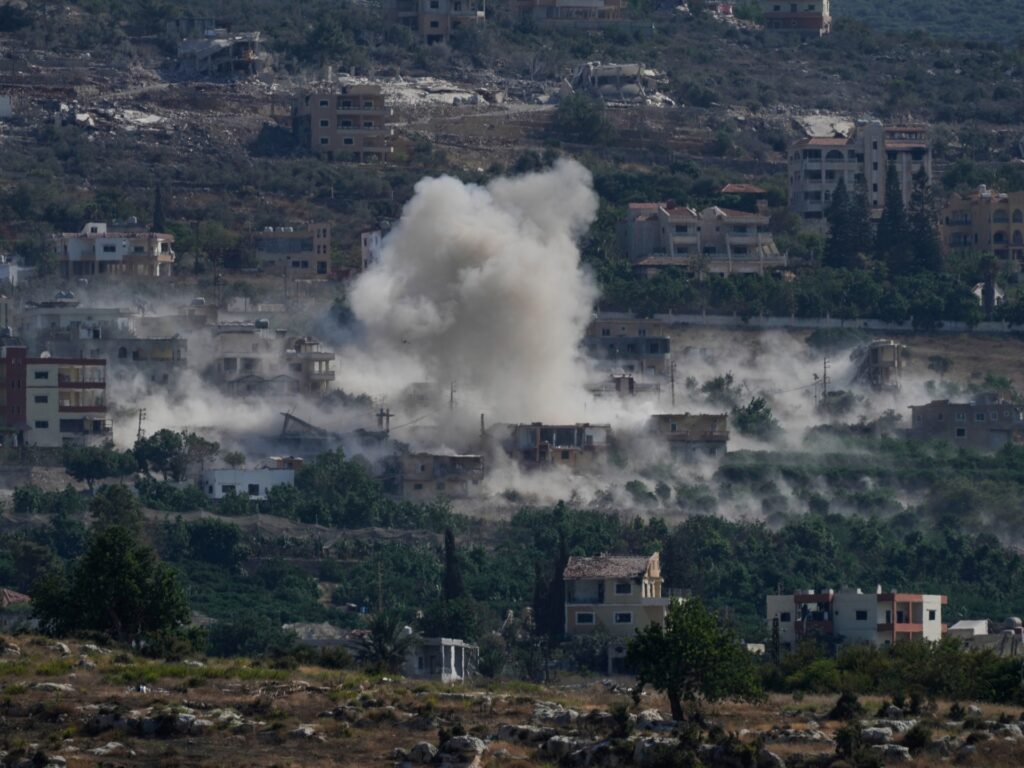
Tensions in the Middle East have escalated once again as an Israeli strike killed two people in southern Lebanon. This development comes amid ongoing clashes and violence despite earlier attempts at truce agreements and diplomatic efforts aimed at stabilizing the region. The targeted areas, consisting of villages and towns in southern Lebanon, have been experiencing repeated attacks, exacerbating the humanitarian situation and raising concerns about a broader conflict.
The strike, carried out by Israeli forces, reportedly hit specific locations believed to harbor militant groups. In response, local authorities condemned the attack, which resulted in the loss of lives and caused injuries among civilians. This incident underscores the fragile nature of ceasefire agreements in the region and the difficulties faced by diplomacy in curtailing violence.
Southern Lebanon has long been a flashpoint for the Israeli-Lebanese conflict, with historical grievances, territorial disputes, and the presence of armed militias fueling recurring violence. The recent strike has added to the instability, with fears it may trigger retaliatory actions and further violence.
The Lebanese government has called for restraint and urged international actors to intervene and prevent further bloodshed. Meanwhile, humanitarian organizations have expressed growing concern over the impact of continuous hostilities on the civilian population, including displacement and loss of access to essential services.
Diplomatic channels remain active, with major powers pushing for renewed talks and compliance with ceasefire arrangements. However, the persistent attacks and counterattacks suggest that achieving lasting peace remains elusive. The situation remains fluid, with potential for rapid developments.
The international community continues to monitor the situation closely, emphasizing the need for dialogue, de-escalation, and respect for sovereignty and human rights. The recent Israeli strike in southern Lebanon serves as a stark reminder of the ongoing challenges in securing peace and stability in the region, highlighting the urgent need for comprehensive and sustained efforts to resolve the conflict.