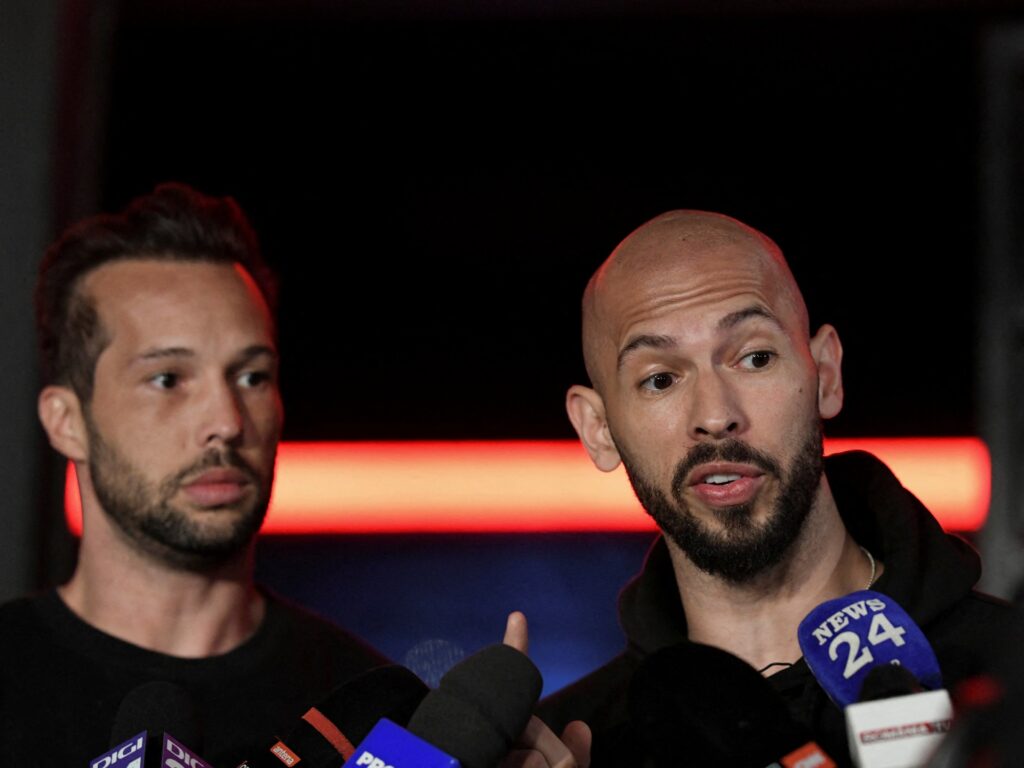
Andrew Tate, a controversial influencer known globally for his outspoken online presence, has been officially indicted in Romania on charges of trafficking minors and money laundering. Alongside his brother, Tate faces serious criminal allegations that have intensified an already complex legal situation.
The indictment marks a significant development in an ongoing investigation by Romanian authorities focused on alleged criminal activities involving the exploitation of minors and financial crimes. Legal sources confirm that the case has been expanding as investigators uncover more evidence connecting Andrew Tate and his brother to these allegations.
Currently, both Andrew Tate and his brother are detained in a Miami prison in the United States. Their detention is related to separate but serious allegations including rape charges in the United Kingdom, which could potentially result in extradition requests.
The intersection of legal actions across multiple countries highlights the international nature of the accusations and the intricate cooperation required between law enforcement agencies. Romanian prosecutors have outlined detailed accusations, which include the trafficking of minors presumably for exploitation, as well as sophisticated money laundering schemes intended to conceal illegal gains.
Andrew Tate, once known primarily for his online motivational content and combat sports background, has become a subject of intense scrutiny as these allegations come to light. His public persona contrasts sharply with the severity of the charges brought against him, sparking widespread media coverage and public debate about his influence and the implications of the allegations.
The ongoing legal processes are expected to involve complex proceedings, potentially spanning several jurisdictions given the involvement of the U.S., Romania, and the U.K. Authorities in Miami have thus far disclosed limited details about the extradition status or the specific charges pending in each country.
Public and legal experts have expressed that the case could serve as a pivotal moment addressing issues related to human trafficking, exploitation of minors, and international money laundering. The outcomes may also provoke discussions on how international legal systems manage multi-jurisdictional criminal cases.
The situation remains dynamic, with further updates anticipated as the legal teams respond and judicial proceedings unfold. Andrew Tate’s case underscores the increasing focus on how influencers with large followings are scrutinized under the law when serious criminal allegations arise.
As investigations continue, the global community watches closely, awaiting clarity on the extent of the accused crimes and judicial resolution, which may set precedents for future cases involving cross-border criminal activities and complex extradition logistics.