The United Nations has issued a stark warning about the ongoing surge in global food prices, highlighting two primary drivers: persistent conflicts and extreme weather events. According to the latest UN food price index, prices have climbed to their highest levels in four years, underscoring the severe challenges faced by the global food supply chain.
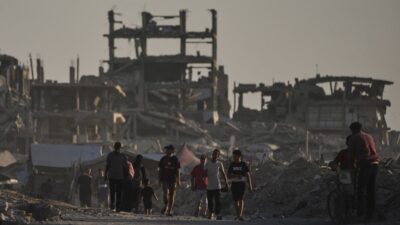
The recent rise in food prices can be directly attributed to the compounded effects of war and climatic disturbances. Conflicts in key agricultural regions have disrupted production and supply routes, limiting the availability of food commodities on the global market. These disruptions are further aggravated by extreme weather conditions—including droughts, floods, and unseasonal storms—which have damaged crops and reduced yields.
Experts warn that this situation is precarious, particularly for vulnerable populations in low-income countries where food insecurity is already a critical issue. The increase in prices affects the affordability of essential staples, placing further strain on households struggling to meet their daily nutritional needs.
The UN emphasizes that coordinated international efforts are urgently required to address both conflict resolution and climate adaptation strategies. Strengthening agricultural resilience through investment in sustainable farming, improving emergency food reserve systems, and enhancing supply chain logistics are among recommended measures to mitigate the crisis.
Moreover, the food price inflation has wider economic implications, potentially triggering social unrest and hampering development progress. Governments and humanitarian agencies are called to collaborate in providing immediate relief and long-term solutions to stabilize food availability and accessibility worldwide.
The UN’s warning serves as a critical reminder of the interconnectedness between geopolitical stability, environmental health, and global food security. Without concerted action, the upward trend in food prices threatens to undermine advancements in eradicating hunger and poverty globally.
As the world contends with this dual challenge of conflict and climate-induced food price inflation, it remains crucial for policymakers, stakeholders, and communities to work in unison to safeguard the future of food systems and ensure equitable nourishment for all.