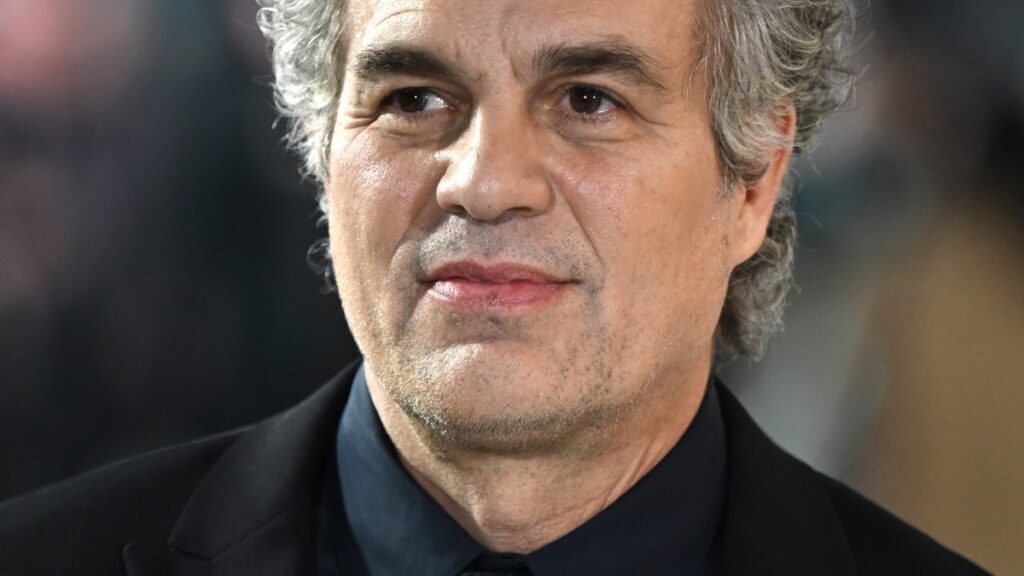
Mark Ruffalo, the acclaimed actor and outspoken activist, recently sparked controversy after linking the ongoing Paramount-Warner Bros merger to Oracle’s ties with the Israeli military, amid the conflict in Gaza. Ruffalo’s comments have triggered a wave of pushback, with some accusing him of perpetuating an anti-Semitic smear campaign.
In his statements, Ruffalo expressed strong criticism of the merger between entertainment giants Paramount and Warner Bros. He suggested that the consolidation of these media powerhouses might be influenced by Oracle’s involvement with the Israeli military, a connection that has come under scrutiny in the context of the Gaza conflict. Ruffalo’s remarks came during a period of heightened tensions and widespread condemnation of violence in the region, which many observers have described as a humanitarian crisis or genocide.
The actor has been known for his vocal stance on various social and political issues, often using his platform to advocate for human rights and social justice. However, his recent comments have reignited debates around freedom of speech, the responsibilities of public figures, and the complexities of addressing geopolitical conflicts through corporate affiliations.
Critics of Ruffalo argue that his linking of the merger to Oracle’s military connections unfairly targets the Jewish community and fuels a narrative of anti-Semitism. They contend that such associations oversimplify a complex situation and risk inciting division and hostility. Supporters, on the other hand, defend Ruffalo’s right to speak out against what they perceive as corporate complicity in international conflicts and emphasize the importance of holding powerful entities accountable.
The Paramount-Warner Bros merger represents one of the most significant consolidations in the entertainment industry, promising to reshape the landscape of media production and distribution. Oracle’s role as a major technology provider, including its contracts with various governments and military organizations, has drawn attention in this context. While the situation has sparked fierce debate, it also highlights the intricate connections between global politics, business interests, and media influence.
As the backlash against Ruffalo’s statements continues, discussions about anti-Semitism, corporate responsibility, and activism remain at the forefront of public discourse. The situation underscores the challenges faced by celebrities and activists who engage with contentious issues, balancing the need to raise awareness with the potential consequences of their words.
Ultimately, the controversy reflects broader tensions inherent in addressing modern conflicts, where allegations of bias and propaganda collide with calls for justice and human rights. Mark Ruffalo’s comments have undeniably sparked vital conversations about the roles of media, corporations, and individuals in responding to global crises, even as they provoke polarized responses across different communities.