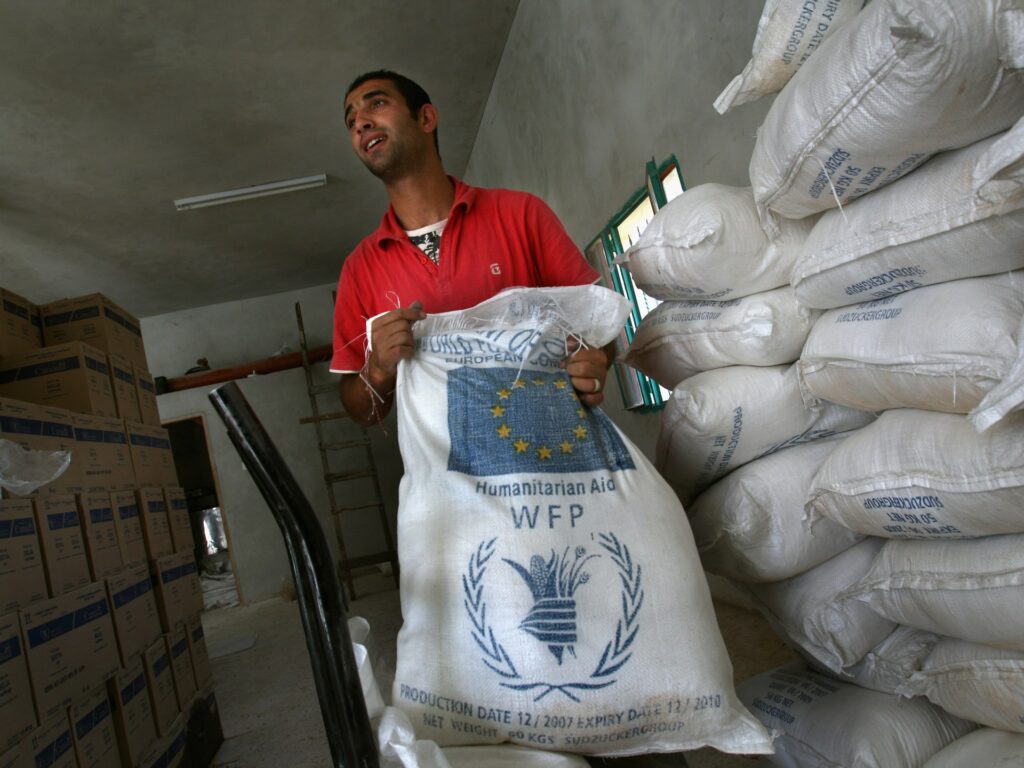
The United Nations has significantly reduced its food aid to the occupied West Bank and Gaza Strip due to a severe funding shortfall, raising concerns over humanitarian conditions in the region. International aid organizations have been hit hard by the financial squeeze, with the United States spearheading a sharp decline in Western donations that have historically sustained these relief efforts.
The aid cuts come at a time of heightened tension and deteriorating living conditions for Palestinians in these territories. Food insecurity, already a pressing issue, is now exacerbated by the UN’s reduced capacity to provide essential supplies to vulnerable populations. The decision to slash aid was influenced by budget constraints and shifting political priorities among donor countries, particularly Western nations.
The United States, a major contributor to UN humanitarian programs, has recently scaled back its financial support amid domestic and geopolitical considerations. This move has had a cascading effect, compelling other Western donors to reassess their commitments and resulting in a substantial decrease in overall aid funding.
International organizations warn that the reduction in food aid will likely increase hardship for Palestinian communities who rely heavily on international assistance. This includes families facing unemployment, displaced individuals, and those affected by ongoing conflicts and movement restrictions imposed by occupation.
Aid agencies emphasize that the cutbacks jeopardize not only food security but also broader humanitarian objectives such as healthcare, education, and infrastructure development in the West Bank and Gaza. There is concern that without adequate funding, the region could face a worsening crisis with long-term implications for peace and stability.
The UN and partner organizations are calling for renewed international solidarity and increased funding from the global community to address the critical needs. They stress that sustained aid is essential to prevent further deterioration of living conditions and to support efforts towards a peaceful resolution.
In summary, the reduction of UN food aid in the occupied West Bank and Gaza due to financial shortfalls and reduced Western donations, notably led by the United States, signals a challenging period for humanitarian assistance in these areas. The impact of these cuts will be felt across vulnerable populations, heightening the urgent call for increased international support to avert a deepening crisis.