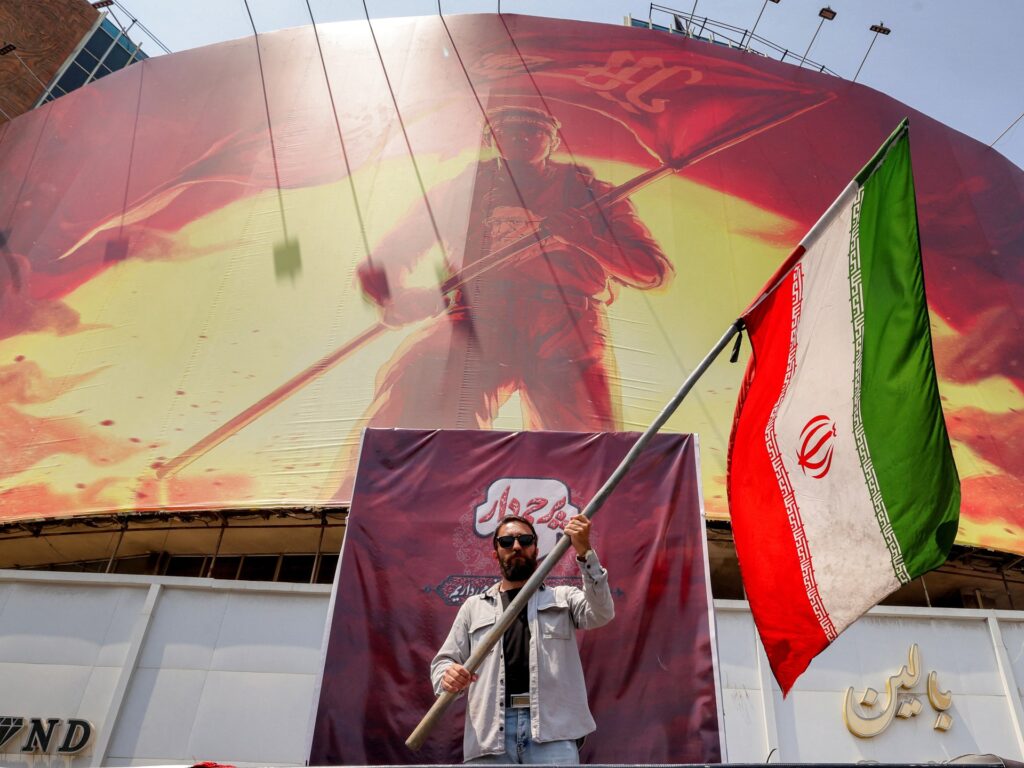
In a rapidly escalating conflict, Iran has promised to respond firmly to a new series of strikes carried out by the United States, even as President Donald Trump has issued severe warnings. Trump described the recent US attacks as “large and powerful,” signaling a robust military action aimed at curtailing Iran’s activities.
The situation grew tenser as President Trump warned Iran that any form of retaliation would be met with an even stronger response, stating that Iran would be hit “much harder” if it chooses to retaliate against the US strikes. This rhetoric highlights the heightened tensions between the two nations and the potential for further military escalation.
Experts observe that the US has been increasing pressure on Iran in recent months through various military strikes targeting Iranian assets and proxies in the region. These actions are part of a broader strategy aimed at limiting Iran’s influence and military capabilities.
Iranian officials, however, remain defiant. They have vowed to respond to the strikes, signaling possible countermeasures that could escalate the conflict further. The promise of retaliation underscores the risk of a spiral into more intense hostilities, with both sides threatening severe consequences.
International observers express concern that the escalating rhetoric and military actions could destabilize the broader Middle East region. The potential for miscalculations or accidental confrontations between the two nations raises the stakes considerably.
Diplomatic channels remain strained, with limited communication between the US and Iran. Efforts by third-party countries and international organizations to mediate appear to be challenged by the aggressive posturing from both sides.
The US strikes reportedly targeted critical infrastructure and military bases associated with Iranian forces and allied groups. These attacks aim to disrupt Iran’s operational capabilities and send a clear message of deterrence.
In response, Iranian military commanders have vowed to continue their activities and defend their interests vigorously. Iran’s leadership emphasizes national sovereignty and rejects US attempts to undermine its influence.
The looming threat of further US retaliation means that Iran’s promised response could take various forms, including cyber-attacks, proxy engagements, or direct military actions, all of which could lead to significant regional instability.
Regional allies and global powers are watching the situation closely, understanding that any escalation could have far-reaching consequences for global security and energy markets.
The unfolding events highlight the fragile state of US-Iran relations and the challenges in achieving a peaceful resolution amidst a backdrop of mutual distrust and strategic rivalry.
As tensions mount, the international community is urging restraint and the pursuit of diplomatic solutions to prevent a full-scale conflict that could have devastating implications for the Middle East and beyond.