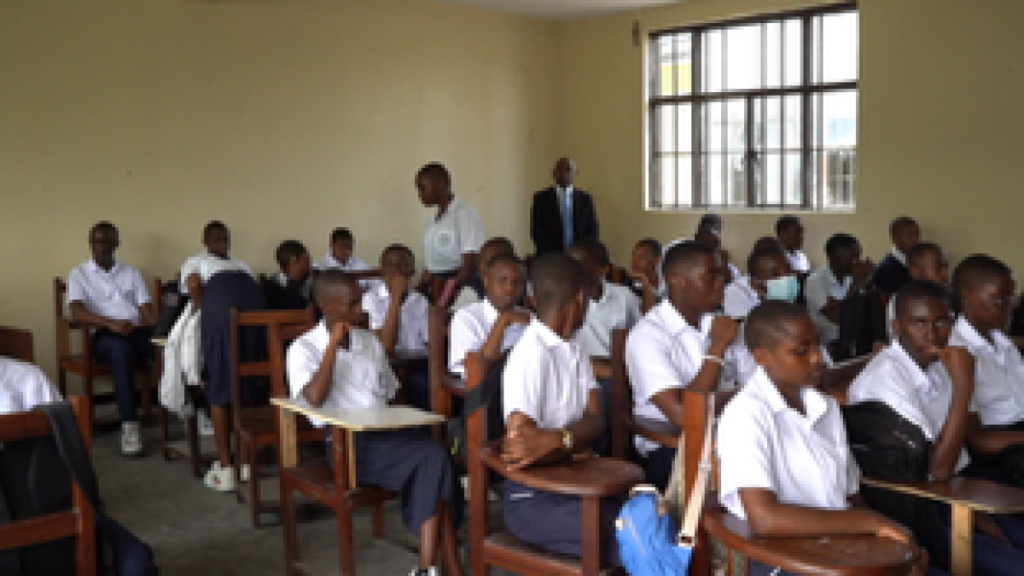
As children in the Democratic Republic of Congo (DRC) prepare to return to school, fears are growing among parents and health authorities about the potential spread of Ebola. The recent resurgence of Ebola cases in the region has heightened concerns, especially with the vulnerability of school environments where close contact among children is inevitable. Parents worry that schools could become hotspots for transmitting the deadly virus, which has a high fatality rate and causes severe hemorrhagic fever.
In response to these fears, local authorities have implemented measures to reduce risk, including shifting pupils who are considered at high risk of Ebola exposure to home-based learning. This strategy aims to limit the number of students gathering in classrooms and to prevent possible outbreaks within educational institutions.
Health officials are working closely with schools to strengthen protocols such as regular handwashing, temperature checks at school entries, and immediate isolation of any children showing symptoms. Awareness campaigns have also been intensified to educate teachers, parents, and students about Ebola symptoms and prevention techniques.
The government’s decision to adopt home learning for high-risk children reflects a balance between continuing education and safeguarding public health. This move, however, presents challenges in terms of access to education for students without adequate resources at home.
Experts emphasize the importance of community involvement in controlling the spread of Ebola, urging parents and caregivers to monitor children’s health closely and report any suspected symptoms immediately. The situation remains fluid, and authorities continue to assess the risks and adjust strategies accordingly.
The return to school during an Ebola outbreak underscores the complex challenges faced by the DRC in managing public health while maintaining essential services such as education. Authorities remain vigilant and hopeful that with concerted efforts, the spread of Ebola can be controlled to ensure the safety and well-being of children and communities across the region.